A blocked drain rarely waits for a convenient time. It often starts late at night, before work, or just as customers arrive at a business. One toilet stops flushing, a sink fills up, and then the smell hits. In a busy city like London, that can turn from annoying to urgent very quickly.
Emergency drain unblocking is about making the area safe, stopping water or sewage from spreading, and finding the real cause before the problem comes straight back. If you live or work in London and surrounding areas, it helps to know when to call a drainage engineer, when Thames Water may be responsible, and what you can do in the first few minutes.
What counts as an emergency drain blockage in London?
Not every slow draining sink is a full emergency. Some can wait until the next day. Others need urgent help because they can damage property, create hygiene risks, or leave you without basic facilities.
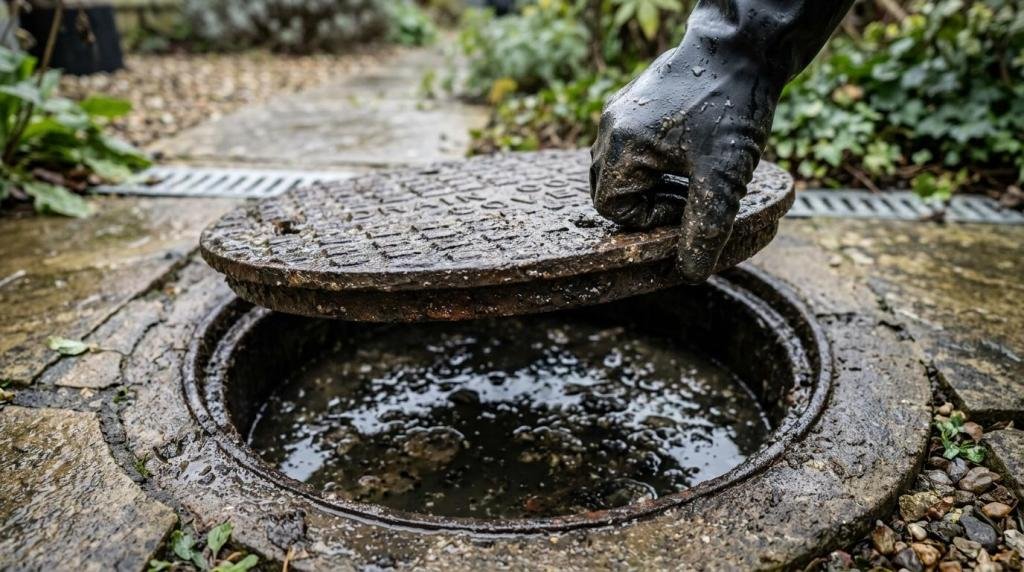
A drain problem is usually urgent when wastewater cannot leave the property, when sewage is backing up, or when flooding is starting indoors or around the outside drains. That is especially serious in flats, restaurants, offices, and family homes with only one toilet.
Common signs include:
- Toilets backing up
- Water rising in showers or baths
- Bad smells from drains
- Gurgling sounds in pipes
- Overflowing outside gullies
- Sewage or dirty water inside the property
If more than one fixture is blocked at once, the issue is often deeper in the drainage system. A single blocked basin may be local to that waste pipe. A toilet, shower, and sink all acting up together often points to a larger blockage.
Who is responsible for a blocked drain in London?
This is one of the first questions people ask, and it matters because it affects who you should call first and who may pay for the repair.
In England and Wales, responsibility usually changes at the property boundary. In simple terms, the drain that serves your property up to that boundary is often the owner’s or landlord’s responsibility. Past that point, the pipe may be part of a public sewer, which is usually the water company’s job.
That means some emergency drain problems need a local drainage contractor, while others should be reported to Thames Water. Public sewers are often under roads or public land, though they can also run through private gardens.
| Situation | Usually responsible | Who to contact first |
|---|---|---|
| Blockage inside your sink, bath, toilet or internal waste pipe | Property owner or landlord | Local drainage specialist |
| Drain blocked within your property boundary | Property owner or landlord | Local drainage specialist |
| Shared or public sewer blockage beyond the property boundary | Water company | Thames Water |
| Sewage and wastewater flooding linked to public sewer issues | Water company | Thames Water |
| Unsure where the blockage sits | Depends on inspection | Drainage specialist or Thames Water based on symptoms |
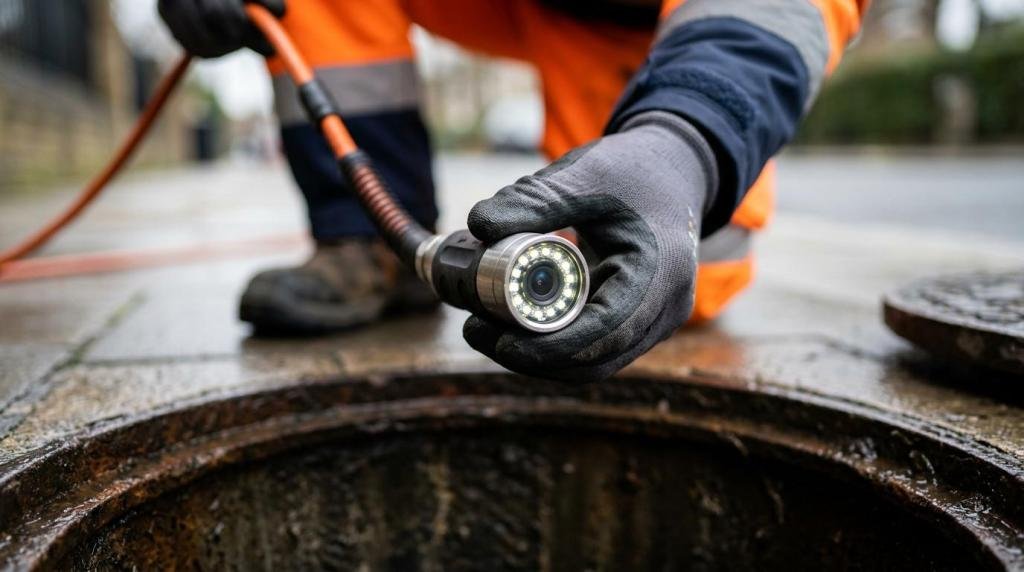
If you are not sure, a quick inspection can save time. A local, experienced drainage professional can often tell whether the blockage is likely private or further downstream. This is where CCTV drain survey equipment is useful, especially on urgent call-outs across London and surrounding areas.
When should you call Thames Water for drain or sewer problems?
If the issue looks like sewage and wastewater flooding from a public sewer, Thames Water should be contacted. They provide 24/7 contact routes for these problems, and they ask people to report flooding or sewer issues online or by phone.
Thames Water also says that if the access point to the drain or sewer is clear, the blockage is likely within the home. That can be a helpful clue. If your inspection chamber is clear but your toilet still backs up, the issue may be in your internal pipework or private drain.
Their published information says they aim to attend sewage leakage reports within 48 hours in normal conditions, or within 72 hours when they are exceptionally busy. If sewage is actively entering your property or a public area, report it straight away.
When you contact Thames Water, have the basics ready:
- What you can see: sewage, wastewater, flooding, smells, overflowing manhole, backed-up toilet
- When it started: exact time if possible, or when you first noticed it
- Where it is: full address, nearest access point, front garden, rear alley, basement, road
- How serious it is: inside the property, affecting neighbours, near a watercourse, spreading quickly
If you are still unsure whether it is your responsibility or theirs, a drainage engineer can inspect the line and give you a clearer picture. That can stop you waiting for the wrong service.
What should you do before an engineer arrives for emergency drain unblocking?
Start by stopping water use where you can. Do not keep flushing the toilet to “see if it clears”. That often makes the mess worse. Stop using sinks, dishwashers, washing machines, and showers if they connect to the affected drain line.
If dirty water is close to electrical sockets or appliances, keep away and switch power off only if it is safe to do so. Keep children and pets out of the area. Sewage is a health risk, not just an inconvenience.
If the blockage is limited to one sink, you can try a basic plunger. Avoid pouring multiple chemical cleaners into the pipe. They often do little for a solid blockage and can make the job more dangerous for whoever attends later.
A few simple first steps can help:
- Put towels down to contain small spills
- Lift nearby items off the floor
- Open a window if there is a strong drain smell
- Check whether neighbours are affected in shared buildings
- Take a quick photo of the flooding or overflow
That last point can help if a landlord, managing agent, or insurer needs a record of what happened.
How do professionals unblock drains quickly?
A proper emergency drain service should do more than poke at the blockage and hope for the best. The aim is to clear the line, check for damage, and reduce the risk of another call-out next week.
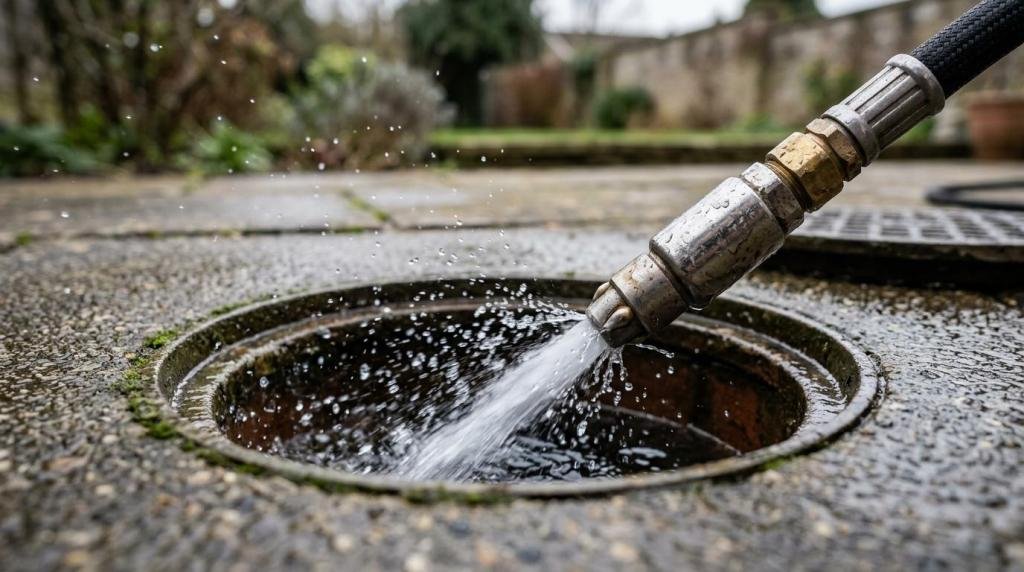
Two methods are especially common in London emergency drain work: high-pressure water jetting and CCTV drain inspection. Jetting uses powerful water pressure to break up grease, wipes, scale, sludge, and other debris stuck in the pipe. CCTV cameras then show what is happening inside the drain.
This matters because not all blockages are the same. A kitchen line packed with fat needs a different approach from a drain crushed by ground movement, or a pipe full of tree roots. The right tools save time and often avoid unnecessary digging.
Why CCTV drain surveys matter in emergency drain call-outs
A CCTV drain survey gives a clear view inside the pipe. It can show the exact position of a blockage, whether the line is damaged, and whether the issue is likely to return.
That is useful in homes, and even more so in commercial properties. A restaurant may have grease build-up. A rental property may have wipes or sanitary products stuck in the pipe. Older London properties can also have cracked drains, displaced joints, and root ingress.
At DH Drainage Power, CCTV surveys and high-pressure water jetting are part of the service offered across London and surrounding areas. For many urgent jobs, that means quicker fault finding and a more honest picture of what needs doing next.
Common emergency drain problems in London homes and businesses
London properties see a mix of old pipework, busy drainage systems, shared lines, and heavy use. That creates a few familiar patterns.
In homes, the biggest causes are wipes, cooking fat, hair, soap build-up, and too much toilet paper in already narrow pipework. In commercial buildings, grease, food waste, scale, and poor drain maintenance are common triggers. Outside drains often block because of leaves, silt, broken pipes, or tree roots.
Frequent emergency causes include:
- Kitchen waste: fat, oil, grease, food scraps, detergents
- Bathroom blockages: wipes, sanitary products, hair, soap residue
- External drain issues: leaves, silt, collapsed sections, root growth
- Shared drainage problems: neighbouring properties adding pressure to the same line
If the same drain keeps blocking, the problem is probably not “just another blockage”. Repeated trouble often points to a structural issue, poor pipe fall, or heavy build-up that needs a full clean rather than a quick patch.
How much does emergency drain unblocking in London cost?
Price matters, especially when the problem appears without warning. Emergency drain unblocking costs can vary depending on the time of day, where the blockage sits, how badly the system is affected, and whether extra work is needed after the drain is cleared.
A straightforward internal blockage may be simpler than a drain that needs jetting, CCTV inspection, root removal, or repair. Commercial jobs can also take longer if access is difficult or the pipe run is larger.
What most people want is not the cheapest figure on paper. They want transparent pricing, honest service, and a clear explanation of what is included. A local, experienced drainage company should explain call-out charges, likely next steps, and whether CCTV or jetting is actually needed before starting extra work.
Typical cost factors include:
- Time of call-out: late-night and weekend emergencies can cost more
- Type of blockage: sink waste, toilet line, external drain, shared sewer
- Access issues: manholes covered, pipework hard to reach, basement locations
- Extra work needed: jetting, CCTV survey, root cutting, repair work
If you are speaking to a contractor, ask whether the quote includes diagnosis, clearing the blockage, and any camera inspection. Clear pricing up front helps avoid nasty surprises.
Do landlords and businesses need a different emergency drain service?
Yes, quite often.
Landlords may need a fast visit to protect tenants and reduce water damage. They also need clear reports if the issue affects responsibility, deposit disputes, or follow-on repairs. Businesses usually need even faster action because blocked drains can stop trading, create hygiene problems, and put staff or customers at risk.
A café with a blocked kitchen line is very different from a family home with one slow sink. The same goes for shops, offices, schools, and managing agents looking after several flats. In those cases, it helps to use a team that regularly handles both residential and commercial drainage across London and surrounding areas.
If you manage a property portfolio, it is worth keeping the number of a 24/7 drainage company to hand rather than searching in a panic when the first-floor toilet starts leaking through the ceiling below.
How can you reduce the chance of another emergency blockage?
No drain stays perfect forever, but a few habits make a real difference.
Do not flush wipes, even the ones labelled flushable. Let cooking fat cool and bin it instead of pouring it down the sink. Use sink strainers where possible. If you run a business, schedule drain cleaning before build-up becomes a crisis.
Older properties and problem-prone drains may benefit from periodic CCTV checks, especially if you have had repeat blockages or slow drainage for months. Catching a crack, root problem, or sagging pipe early can be cheaper than waiting for a full backup.
If you need emergency drain unblocking in London and surrounding areas, contact DH Drainage Power for a free inspection or call our team today for a quote.