A blocked kitchen drain rarely starts as a dramatic problem. More often, it begins with water draining a bit slower than usual, a bad smell near the sink, or a gurgling noise after washing up. Leave it too long, and that small nuisance can turn into standing water, greasy residue, and even overflow.
In many UK homes and businesses, the main culprit is simple: fats, oils and grease. Thames Water repeatedly warns that even small amounts can cool, harden, and build up inside pipework. Add food scraps on top, and the blockage gets thicker over time.
The best fix depends on where the blockage is, how severe it is, and whether it keeps coming back. Some kitchen drain problems can be cleared with basic steps at home. Others need proper equipment and a trained eye.
What causes kitchen drain blockages in kitchens
Kitchen drains deal with more than water. They carry grease from pans, soap, detergent, food residue, and small bits of waste that should never have gone down the sink in the first place. Over time, that mix sticks to the inside of the pipe and narrows the flow.
Grease is often the worst part of it. It may look harmless while warm and liquid, but once it cools, it starts to cling to the pipe walls. Councils and water companies across the UK keep repeating the same message because they see the same issue every day.
In flats and converted houses, the problem can spread beyond one sink. Shared waste pipes mean one person’s habits can affect several homes. That is one reason kitchen blockages are common in multi-occupancy buildings around London and surrounding areas.
Typical causes include:
- fats, oils and grease
- food scraps
- coffee grounds
- soap and detergent residue
- wet wipes and cloths
- small solid items from the sink
How do you unblock a kitchen drain safely at home?
If the sink is draining slowly rather than fully blocked, start with the simplest checks. Remove any visible debris from the plughole. Empty out standing water if you can. Then try running hot water with a little washing-up liquid to loosen fresh grease near the top of the waste pipe.
A plunger is often the next sensible step. Make sure there is enough water in the sink to cover the rubber cup, seal the overflow if there is one, and plunge firmly for 20 to 30 seconds. If the blockage is soft and local, this can shift it.
If that does not work, the trap under the sink may need cleaning. Put a bowl underneath first, undo the trap carefully, and clear out any trapped food, sludge, or grease. Rinse it well before re-fitting it. This is one of the most effective home fixes because many kitchen clogs sit right there.
Not every DIY method is a good idea, though. Strong chemical drain cleaners can damage pipework, irritate skin, and only partly clear the blockage. That partial fix often leaves residue behind, which means the sink blocks again soon after.
Here is a simple guide to the main options:
| Option | Best for | What to know |
|---|---|---|
| Hot water and washing-up liquid | Fresh grease build-up | Most useful on slow drains, not solid blockages |
| Plunger | Soft blockages near the sink | Works best with a good seal |
| Cleaning the trap | Food and sludge in the U-bend | Messy, but often very effective |
| Hand drain snake | Small clogs further down | Can help, but use it carefully |
| Professional jetting or rodding | Stubborn or repeat blockages | Better for deeper drain problems |
| CCTV drain inspection | Unknown or recurring faults | Shows the exact cause before repair |
If the sink is completely full, backing up fast, or affecting other fixtures, stop trying random fixes. That usually points to a deeper blockage.
When is a kitchen drain blockage more than a simple sink problem?
A kitchen drain issue is not always just a clogged waste pipe under the sink. Sometimes the blockage sits further along the line, in the external drain, shared stack, or underground pipework. In those cases, the symptoms are broader and harder to ignore.
You may notice the washing machine backing up into the sink. The outside gully might be full. Water may drain away very slowly from more than one appliance. Bad smells can also linger even after you clean the sink, because the build-up is deeper in the system.
Recurring blockages are another warning sign. If you clear the sink, only for it to clog again a week or two later, the original cause has probably not gone. Grease deposits, scale, tree roots, poor pipe falls, and damaged drains can all sit behind repeat kitchen drain problems.
Watch for these signs that the issue may be further down the drainage system:
- More than one fitting affected: sink, dishwasher, and washing machine all draining slowly
- Outside drain overflowing: the blockage may be beyond the internal waste pipe
- Bad smells keep returning: trapped waste or deeper build-up is still present
- Water comes back up: this points to restricted flow, not a minor slow drain
- Frequent repeat blockages: there may be a structural fault or heavy grease build-up
Who is responsible for a blocked kitchen drain?
This is a common question, especially in rented homes, blocks of flats, and commercial premises. In general, responsibility for private drains and private sewers usually sits with the householder or landlord up to the property boundary. After that point, the public sewer is normally the water company’s responsibility. That is the position set out in Ofwat guidance.
If you live in a flat, things can be less clear. A blockage in your own sink trap may be your issue, or your landlord’s if they handle repairs. A blockage in shared pipework may fall to the freeholder, managing agent, or building management company.
Businesses need to be especially careful. A blocked kitchen drain in a café, takeaway, or staff kitchen can affect hygiene, service, and neighbouring units if shared drainage is involved. Fast action matters.
A simple rule helps at the start: if the problem appears to be within your kitchen or waste pipe, it is usually your side to deal with. If the issue is in the public sewer, the water company may need to step in.
Best prevention tips for kitchen drain blockages
Prevention is cheaper than repeated call-outs, which is reason enough to change a few habits in the kitchen.
The strongest advice from official UK sources is very consistent. Do not pour fats, oil, grease, food scraps, or solid waste down the sink. Let grease cool first, scrape plates into the bin, and wipe pans before washing them.
A sink strainer is one of the easiest wins. It catches food bits before they enter the waste pipe, and it costs very little. Regular hot water flushing also helps with minor residue, though it will not solve a heavy blockage once it has formed.
Good habits that make a real difference:
- Wipe pans first: kitchen roll removes grease before it reaches the drain
- Use a sealed container: collect cooking oil and dispose of it properly
- Fit a sink strainer: stop food scraps entering the pipe
- small regular cleans
- no rice, coffee grounds, or peelings down the sink
- scrape plates into the bin
In shared kitchens, prevention needs everyone on board. One careful person cannot offset five people pouring oil down the plughole.
What should businesses do about commercial kitchen drain problems?
Commercial kitchens face heavier use and faster build-up. Grease, detergent, food waste, and washwater move through the system all day, so minor bad habits become expensive issues very quickly.
GOV.UK guidance is clear that fats, oil, grease, and solid items should not go down drains because they can block pipes, back up, and cause pollution. It also says businesses producing contaminated washwater with waste oil or grease should use fat and sediment traps.
That matters for restaurants, cafés, schools, care homes, and workplaces with busy staff kitchens across London and surrounding areas. A planned maintenance visit every so often often costs less than repeated emergency call-outs and lost trading time.
For business owners and managers, the priorities are usually:
- Staff habits: clear rules on grease disposal and food waste
- Drain protection: strainers, traps, and regular cleaning
- Routine checks: watch for slow drainage and smells early
- Professional maintenance: scheduled jetting and inspections when needed
Another point from official guidance is drainage separation. Contaminated kitchen water should go to the foul water drain, while only clean water should go to a surface water drain or soakaway. If there is any doubt about where pipework runs, a drainage specialist can check it.
When should you call a professional to unblock a kitchen drain?
Call a professional when the blockage keeps returning, when water is backing up quickly, or when more than one appliance is affected. Those signs usually mean the problem is beyond a basic DIY fix.
A trained drainage engineer can do more than clear the blockage. They can find the cause. That matters because many kitchen drain problems come back when grease build-up, poor pipe condition, or a hidden defect is left in place.
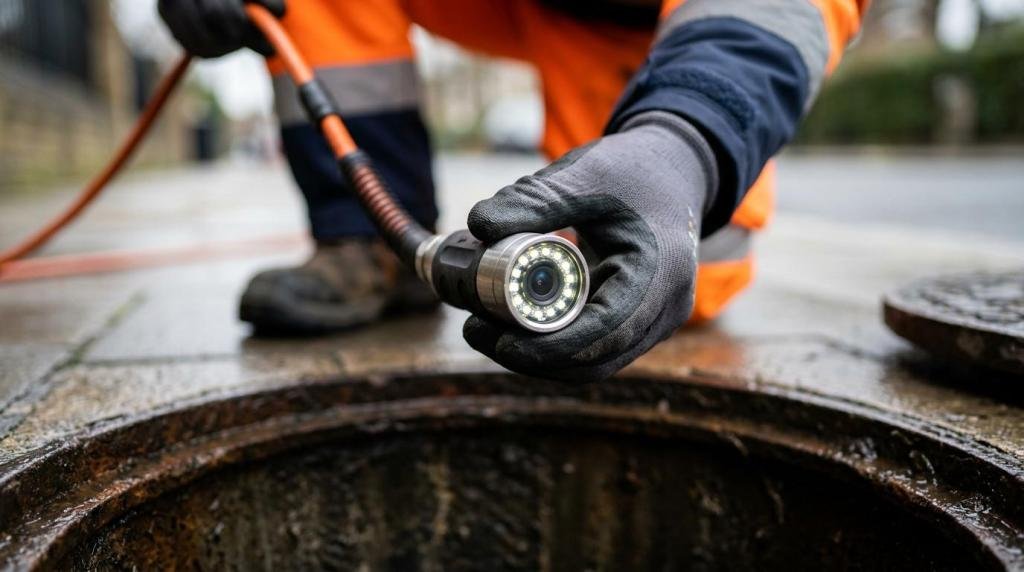
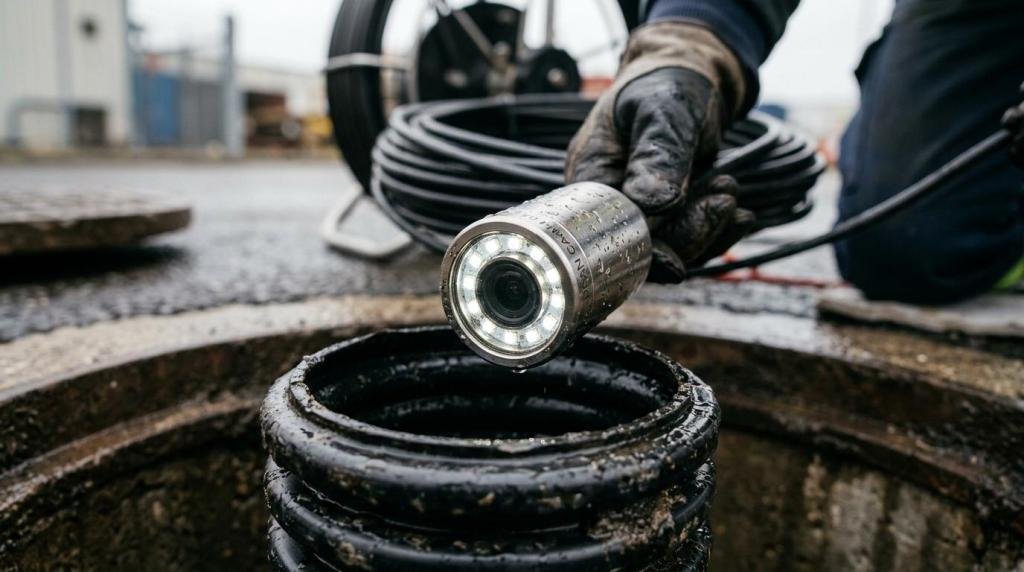
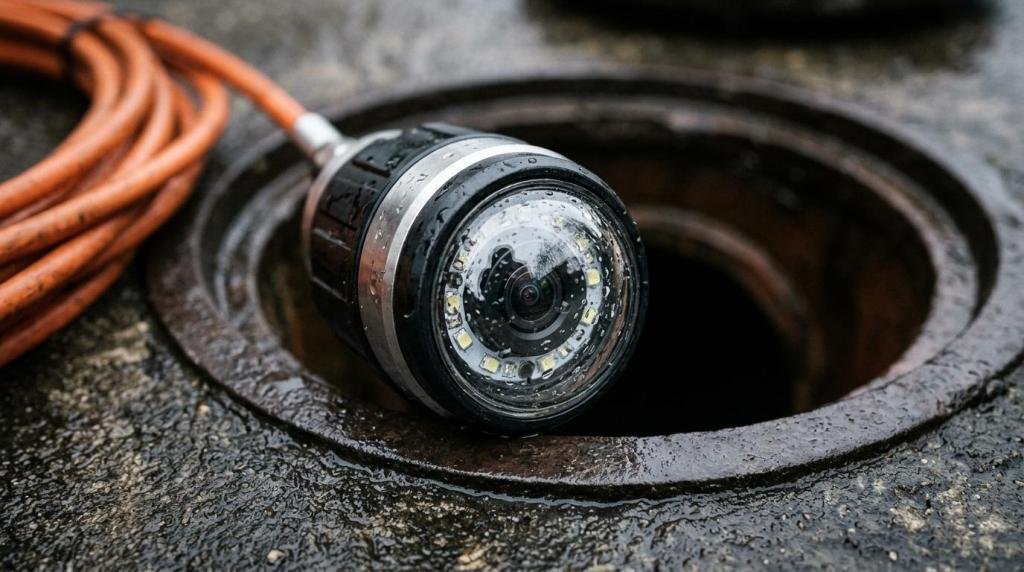
CCTV drain surveys are useful here. A camera inspection can show whether the line is full of grease, cracked, misaligned, or invaded by roots. High-pressure water jetting can then clear the build-up properly rather than just punching a small hole through it.
For homeowners, landlords, and businesses in London and surrounding areas, speed matters, but so does honest advice. A local, experienced professional should explain what they found, what needs doing now, and what can wait. Transparent pricing matters just as much as the repair itself.
That is especially true during emergencies.
If your kitchen sink is blocked, smells foul, or keeps backing up, contact DH Drainage Power for a free inspection or call our team today for a quote.