A blocked drain in a commercial building is rarely a small problem. It can slow staff down, upset customers, create hygiene concerns, and in some cases stop trading altogether. For restaurants, cafés, pubs, takeaways, schools, offices, and retail premises, drainage faults often affect more than one part of the day-to-day operation.
That is why commercial drainage problems need quick action, not just a temporary fix. Across London and surrounding areas, businesses often call for help only when sinks back up, toilets stop flushing, or foul smells start drifting into customer areas. By that stage, downtime may already be costing money.
What commercial drainage problems do to business operations
Commercial drainage systems work harder than domestic ones. They deal with more waste, more water, more users, and longer operating hours. A fault that would be irritating in a house can become a trading issue in a business premises.
The impact depends on the type of site. In a restaurant kitchen, a blocked waste pipe can stop washing up, food prep, and cleaning. In an office, overflowing toilets can make parts of the building unusable. In a retail unit, bad smells near customer areas can damage the experience and lead to complaints.
Sometimes the problem is sudden. Sometimes it builds over weeks. Either way, the result is usually the same: lost time, staff disruption, and pressure to get the system working again fast.
| Commercial drainage problem | Likely effect on the business | Possible downtime risk |
|---|---|---|
| Blocked kitchen sink waste | Slower cleaning, washing and prep | Reduced service or kitchen stoppage |
| Toilet blockage | Toilets out of use for staff or customers | Partial closure |
| External drain overflow | Flooding near entrances or service yards | Health and safety restrictions |
| Foul drain smells | Customer complaints and poor hygiene impression | Reduced footfall |
| Sewage backup | Contamination of floors or equipment | Immediate closure risk |
| Collapsed or damaged pipe | Ongoing blockage and repeat flooding | Repeated disruption until repaired |
A drainage issue can also pull staff away from their actual jobs. Managers end up dealing with complaints, rearranging rotas, moving stock, or chasing emergency contractors. That hidden cost is easy to miss, but it adds up quickly.
Why commercial kitchens have the highest blockage risk
Food businesses face the biggest drainage risk because they produce the exact materials that block pipes most often. Thames Water and local councils regularly warn that FOG, meaning fats, oils and grease, is a major cause of commercial drain blockages. Once it cools inside pipework, it hardens and sticks to the drain walls. Small food scraps then cling to it, and the blockage grows.
That makes kitchens a common trouble spot. A busy service can wash large amounts of grease, sauce, oil, starch, and rinse water through the same pipework in a short period. If there is no proper control in place, the system starts clogging from the inside.
The Food Standards Agency also advises food businesses not to put food waste down the sink. Waste should go in the bin, and commercial sink strainers should be used to catch solids before they enter the drain.
A few everyday habits tend to cause the most trouble:
- Pouring used cooking oil into sinks
- Rinsing plates with food scraps straight into gullies
- Washing greasy pans without removing residue first
- Missing grease separator cleaning
- Ignoring slow-draining sinks during service
Preventing those problems is usually simpler than clearing the damage later. Commercial kitchens should have the right controls in place and keep them maintained, not just installed and forgotten.
- Sink strainers: help stop food scraps entering the pipework
- Grease removal units: need regular emptying, often daily in busy kitchens
- Grease separators: should be checked and cleaned frequently
- Staff routines: scraping plates and disposing of oil properly reduces build-up
- Planned maintenance: catches early signs before the kitchen is forced to stop
Can blocked drains really force a business to close?
Yes, they can.
This is especially true in food service settings, where hygiene rules are strict for good reason. If waste water cannot drain away properly, sinks may become unusable. If toilets back up, staff and customer facilities may have to close. If sewage or dirty water reaches floors, storage areas, or food prep spaces, there is a real contamination risk.
Official guidance is clear on the wider risk. Thames Water states that fats, oils and greases discharged into drains can make a business liable to prosecution or even an emergency prohibition order, which means the business has to close. It also warns that a business could be forced to close while a blockage is cleared. Councils raise the same issue, with loss of profit, bad smells, and enforcement action all listed as possible outcomes.
The problem is not limited to restaurants. Any workplace that loses safe toilet use, washing facilities, or drainage around customer areas may need to restrict access until the issue is fixed. In food premises, the threshold is even lower because hand washing, equipment cleaning, and surface hygiene must be maintained at all times.
A blocked drain can move from maintenance issue to compliance issue very quickly.
What are the warning signs before major commercial drainage downtime?
Most serious blockages give some warning, though busy teams often ignore it because the site is still open and trading. The earlier those signs are checked, the cheaper and faster the fix usually is.
Slow drainage is one of the clearest warnings. If one sink drains slowly, that may be a local blockage. If several appliances or fixtures are draining badly, the issue may be deeper in the system. Gurgling sounds, water rising in nearby drains, or bad smells around service areas also point to trouble.
Outside the building, keep an eye on gullies, manholes, and interceptor traps. If water lingers around them or waste is visible, the system may already be under strain. Thames Water notes that blocked interceptor traps can contribute to sewer flooding, so these areas should not be ignored.
Watch for signs like these during daily checks:
- Slow sinks or floor drains
- Repeated toilet flushing problems
- Water backing up elsewhere when a sink is used
- Smells near kitchens, wash areas, or outside covers
- Overflowing gullies
- Wet patches around external drains
When the same issue keeps returning, that usually means the blockage has not really been solved. It may be a deeper build-up of grease, a damaged section of pipe, root ingress, or poor drain falls that hold waste back.
How do you reduce the risk of blocked drains in commercial premises?
The most effective approach is a mix of good kitchen habits, routine checks, and professional maintenance. Waiting for an emergency costs more in the long run, both in direct repair costs and lost trading time.
A simple site plan helps. Know where your kitchen wastes run, where the external chambers are, and which toilets or basins connect to which lines. When a problem starts, that information speeds up fault finding and helps engineers isolate the issue faster.
For food businesses, grease management should be treated as part of normal cleaning, not an occasional extra. If a grease removal unit or separator is fitted, it needs regular attention. If one is needed but missing, the drain is doing all the work itself, and that rarely ends well.
Practical steps that cut downtime include:
- Daily checks: look for slow draining sinks, smells, and standing water
- Waste control: bin food scraps and never pour oil or fat into drains
- Equipment care: clean grease traps, separators, and strainers to schedule
- Staff training: make sure every shift follows the same disposal routine
- Preventative cleaning: book regular commercial drain maintenance before peak seasons
- Early inspection: investigate repeat blockages instead of clearing the same symptom
This matters even more for busy sites that cannot afford disruption at key trading times. A Friday evening restaurant blockage or a weekend retail sewage issue can affect the most profitable hours of the week.
When should a business arrange a CCTV drain survey?
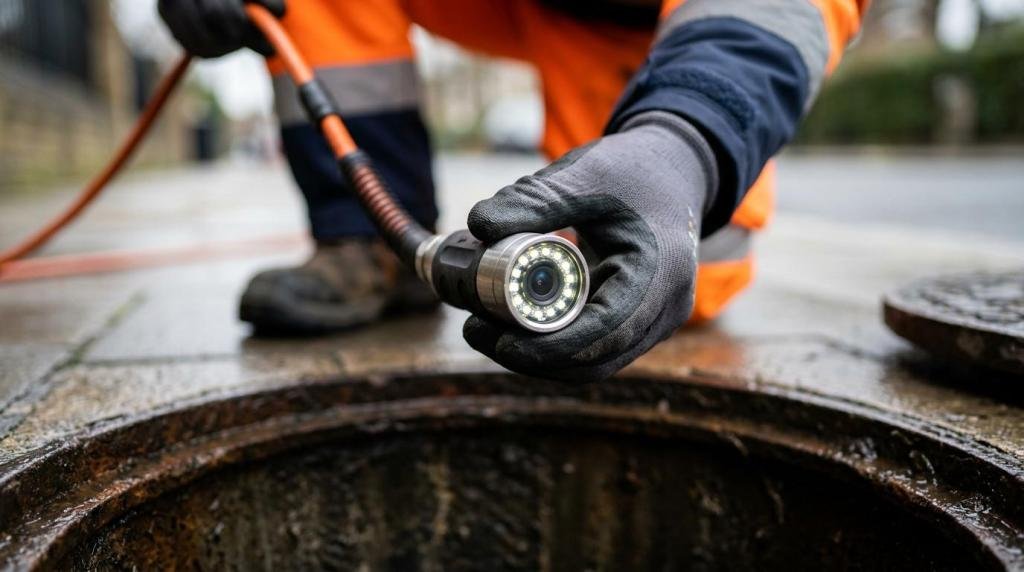
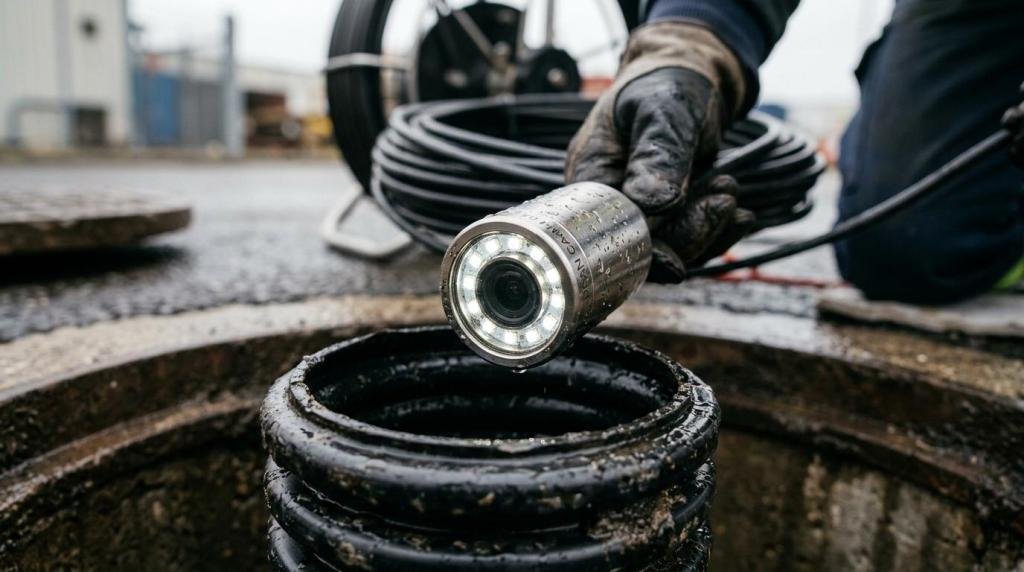
A CCTV drain survey is useful when the cause of the problem is unclear, when blockages keep coming back, or when there may be structural damage in the pipework. It uses a specialist camera to inspect the drain from the inside, which means the issue can be identified without guessing or digging first.
For commercial sites, that matters because downtime needs to be kept as short as possible. A camera survey can show grease build-up, cracks, root ingress, displaced joints, collapsed sections, and scale deposits. It can also confirm whether a line is clear after cleaning, which is useful for commercial properties, landlords, property managers, and business owners who need proper records.
At DH Drainage Power, CCTV drain surveys are carried out for commercial properties across London and surrounding areas, and the process is designed to cause minimal disruption. In many cases, the survey can be completed within a few hours, making it a practical option for businesses that need answers quickly.
You should consider a survey if:
- The same drain blocks more than once
- There is a foul smell with no clear source
- Water backs up in different parts of the building
- External drains overflow after cleaning
- You suspect a collapsed or damaged pipe
- You are taking on a lease and want to check the condition of the drainage system
What should you do during a commercial drain emergency?
First, stop using the affected sinks, toilets, or appliances if they are making the issue worse. That helps prevent overflow and reduces the chance of contamination spreading. If sewage or dirty water is involved, keep staff and customers away from the area.
Next, separate the business problem from the drain problem. Can one part of the building still operate safely, or does the fault affect hand washing, toilets, food prep, or customer access? If essential hygiene facilities are compromised, do not try to push through service as normal.
Then call an experienced local drainage specialist. Fast diagnosis matters, but so does doing the job properly. A temporary unblock may get water moving again, yet if grease build-up, a damaged line, or an interceptor issue remains, the downtime often comes back.
Businesses across London and surrounding areas need a drainage team that understands commercial premises, works safely, and gives clear, honest advice. That includes transparent pricing, realistic timescales, and no hidden costs. When an engineer can explain what caused the fault and how to prevent it happening again, you are in a much better position than simply reacting to the next blockage.
If your business is dealing with slow drains, foul smells, flooding, or repeat blockages, contact DH Drainage Power today for a free inspection and honest quote anywhere in London and surrounding areas.