A blocked sink often starts as a small nuisance. The water takes a bit longer to drain, there is a faint smell from the plughole, and you tell yourself it can wait until the weekend. In many London homes and flats, that slow drain is the first sign that grease, food waste or other debris is starting to cling to the inside of the pipe.
Kitchen habits are usually the real cause. That matters because most sink blockages are preventable. If you know what tends to go wrong in London properties, it is much easier to stop a minor issue turning into a backed-up sink, a leak under the unit, or a call-out at the worst possible time.
Why blocked sinks are common in London homes and flats
London properties come with a few extra drainage challenges. Many houses and flats have older pipework, tighter under-sink layouts, and shared drainage systems that serve more than one flat. A blockage does not always build up overnight. It often forms slowly as waste sticks to the pipe walls and narrows the flow.
Official guidance in London keeps coming back to the same issue: fat, oil and grease. Thames Water has repeatedly warned that even small amounts can cool, harden and build up inside pipes. In flats, that problem can be worse because several households may be feeding into the same waste stack or shared section of pipework.
There is also the simple fact that sinks deal with more than water. Washing-up residue, food scraps, coffee grounds, soap, hair and cleaning products all pass through the waste pipe. Once one sticky layer forms, other debris starts catching on it.
What are the most common causes of a blocked sink in London?
Most blocked sinks in London come down to a short list of repeat offenders. The problem is not usually dramatic. It is everyday waste going down the drain bit by bit until the pipe cannot cope.
In kitchens, grease is usually the main cause. In bathrooms and utility areas, soap, hair and product build-up are more common. In flats, wipes and other non-flushable items can also affect shared drainage and cause water to back up in places you would not expect.
The usual causes include:
- fat, oil and grease
- food scraps
- coffee grounds
- soap scum
- hair
- wet wipes
- sanitary items
- cotton buds and floss
- scale and debris in older pipework
A lot of people assume hot water and washing-up liquid will wash grease away. It may move it further down the pipe for a while, but it does not solve the problem. Once the grease cools, it can set hard again.
Why fat, oil and grease block kitchen sinks
Grease is one of the biggest reasons for a blocked sink in London. It goes down the plughole as a liquid, then cools and sticks to the pipe. Over time, that sticky layer gets thicker and catches food particles. The result is a slow drain first, then a full blockage later.
This is not only a problem in detached houses. Flats can be hit harder because several kitchens may use connected drainage runs. If one home regularly pours oil, gravy or pan fat down the sink, the build-up can affect more than one property.
London has seen the wider version of this problem in sewers too. Water industry advice and London reporting both point to fats, oils and grease as a major cause of blockages and fatbergs. What happens in a sewer starts with habits in the kitchen.
A few common examples catch people out:
- Roasting fat: poured from trays or pans while still warm
- Cooking oil: tipped away after frying
- Sauces and gravy: left to rinse off plates and pans
- Butter and dairy residue: washed away during cleaning
- Greasy takeaway leftovers: emptied into the sink with hot water
The safer habit is simple. Let grease cool, scrape it into the bin, and wipe pans with kitchen roll before washing up.
How food scraps and coffee grounds build up in sink pipes
Food waste does not need to be large to cause trouble. Tiny scraps of rice, pasta, vegetables and breadcrumbs can lodge in greasy pipework and begin to collect. Coffee grounds are another common cause because they clump together and settle rather than breaking down properly.
This often shows up in busy kitchens where plates are rinsed before scraping, or where there is no sink strainer fitted. Once food starts catching in the waste trap under the sink, the smell usually follows soon after.
A sink strainer is a small fix that makes a real difference. It catches the solids before they enter the pipe. That is one of the easiest ways to cut down the risk of a blocked sink without changing much about your routine.
Can wet wipes, hair and non-flushable items affect sink drains?
Yes, though the way they cause trouble varies. Hair and soap are more likely to block bathroom sinks. Wipes, cotton buds and sanitary items are less likely to be put down a sink on purpose, but they can still affect drainage in flats if they enter the wider system through toilets and shared pipework.
Water UK has said that wet wipes and sanitary products are among the most common blockage drivers in the UK. In London, these items often mix with grease and help create larger masses in the drains and sewers. That can lead to backing up, smells, and repeated blockages that seem to keep coming back.
Hair is a smaller-scale problem, but still a common one inside the home. It tangles around soap residue in the trap and branch waste. Bathroom sinks then start draining slowly, even when the main drain outside is clear.
Here is a simple guide to where different sink blockage causes usually appear:
| Cause | Most common location | What usually happens |
|---|---|---|
| Fat, oil and grease | Kitchen sink | Coats the pipe and traps food |
| Food scraps | Kitchen sink | Collects in the trap or on greasy pipe walls |
| Coffee grounds | Kitchen sink | Settles and clumps in the waste line |
| Hair | Bathroom sink | Tangles with soap and blocks the trap |
| Soap scum | Bathroom sink | Narrows the pipe over time |
| Wet wipes and sanitary items | Shared drains and stacks | Causes deeper blockages and backups |
What warning signs show a sink blockage is forming?
A sink rarely goes from perfect to fully blocked in one day. Most of the time, there are early signs. Acting at that stage can save a lot of stress and often avoids damage to cupboards, flooring or nearby pipe joints.
If you notice more than one of these signs, the blockage is probably building inside the waste pipe rather than being a one-off slow drain.
Watch out for these warning signs:
- Slow draining water: the sink takes longer than usual to empty
- Bad smells: food, grease or stagnant water smells rise from the plughole
- Gurgling noises: trapped air is struggling to pass through the blockage
- Water backing up: water returns after draining or rises in another sink
- Frequent repeat issues: the problem comes back soon after a temporary fix
- Overflow outside: gullies or external drains start holding water
These signs matter because a partial blockage often gets worse quickly once more debris catches on it.
Who is responsible for a blocked sink in a London flat or house?
In general, if the blockage is within your property boundary, it is your responsibility or the landlord’s, depending on the tenancy and repair terms. Thames Water guidance makes that distinction clear for in-home blockages.
Flats can be less straightforward. A blockage inside the under-sink pipe or trap is usually down to the flat owner or occupier. If the issue is in a shared stack or communal drain, the freeholder or managing agent may need to get involved. For tenants, the best first step is normally to report the problem quickly and avoid using the sink until it has been checked.
That shared element is why repeated sink blockages in flats should not be ignored. If two or more fixtures are slow, or wastewater is appearing elsewhere, the problem may be further down the line than it first seems.
Can you fix a blocked sink yourself?
Sometimes, yes. A minor blockage close to the plughole or trap can often be cleared safely at home. If the sink is only draining slowly and there is no sign of water rising elsewhere, a simple clean-out may work.
Start with the obvious. Remove visible debris, clean the plug and strainer, and check the trap under the sink if you can do so safely. Put a bowl underneath first, as trapped water and waste will spill out when the trap is loosened.
A careful DIY approach usually looks like this:
- Stop using the sink: avoid sending more water and waste into the blockage.
- Clear the top of the drain: remove food, hair or debris from the plughole area.
- Clean the trap: unscrew it if accessible and wash out the contents.
- Use a plunger: short, firm plunges can shift a local blockage.
- Test with warm water: run it slowly to see if drainage improves.
Be cautious with chemical drain cleaners. They do not always clear the blockage, and they can make later repairs messier or less safe. If the sink is fully blocked, backing up, or linked to another drainage problem in the property, it is usually better to call a professional.
When should you call a blocked sink specialist in London?
Call a drain specialist if the sink stays blocked after basic cleaning, if the problem keeps returning, or if more than one fixture is affected. Those are signs that the blockage may be deeper in the line. In flats, that can mean a shared pipe issue rather than a simple trap blockage.
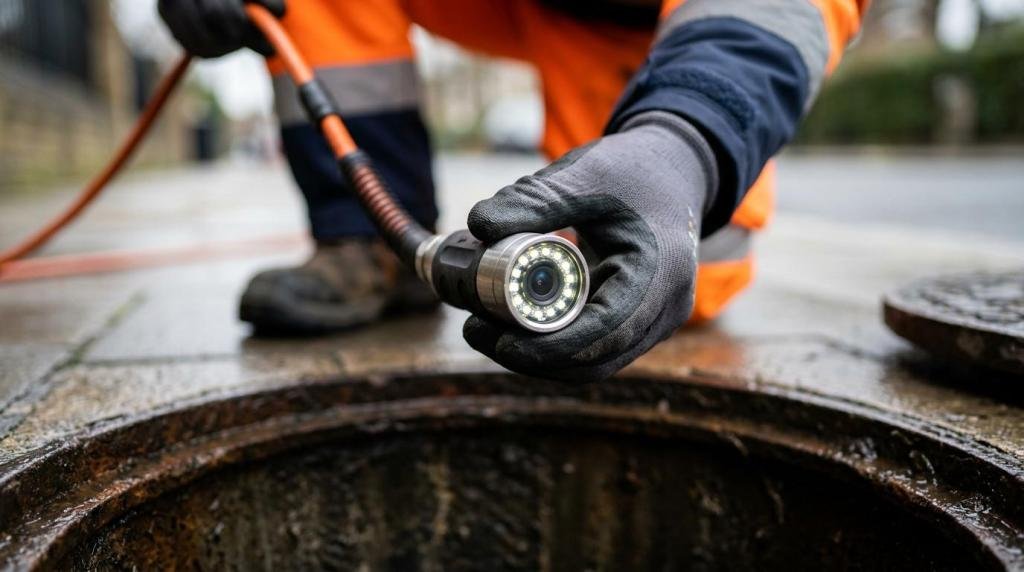
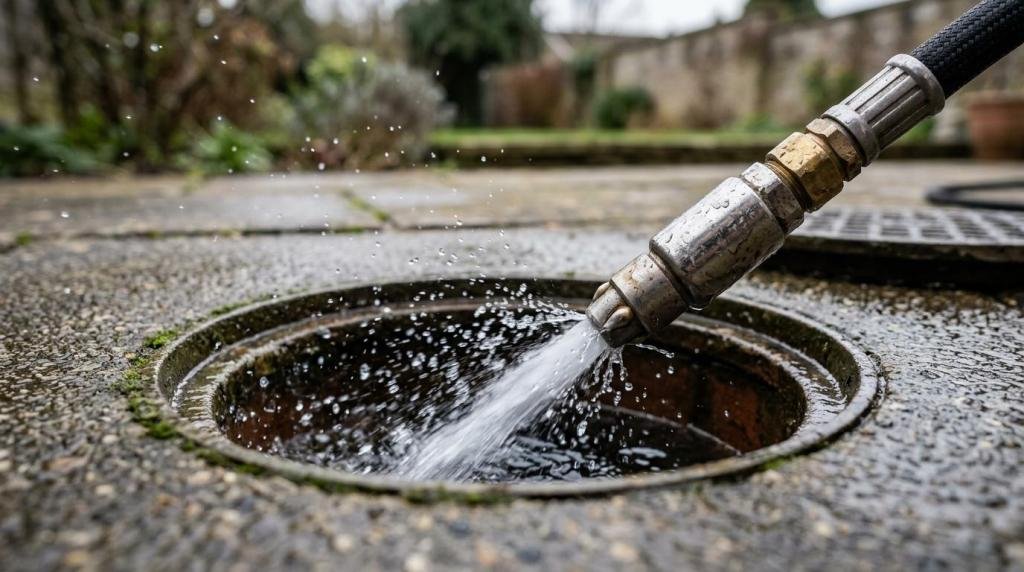
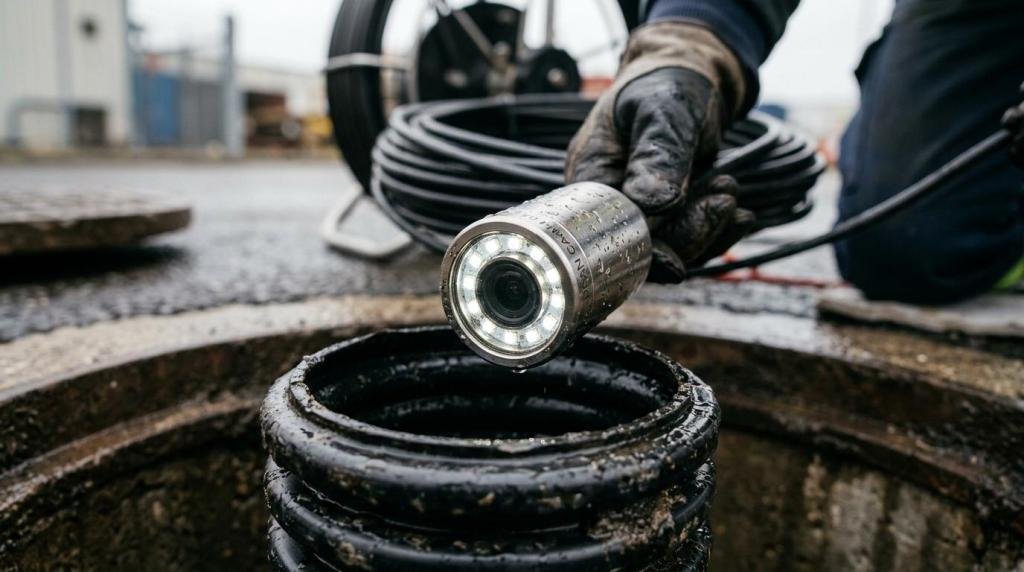
A professional has the right tools to identify what is going on without guesswork. That may include drain rods, high-pressure water jetting, or a CCTV drain inspection if the issue seems further down the system. CCTV is especially useful when the symptoms do not match a simple under-sink blockage.
This is also where local experience matters. Drainage systems vary a lot across London and surrounding areas. Older pipe runs, converted flats, restaurant-heavy streets, and shared drains all create different problems. A local, experienced drainage team will have seen those patterns before and can usually spot the likely cause faster.
When you book help, look for a service that offers:
- honest advice
- transparent pricing
- clear explanation of the fault
- 24/7 emergency help
- experience with homes and flats across London and surrounding areas
At DH Drainage Power, the focus is on finding the cause quickly and fixing it properly, not just poking a temporary hole through the blockage. That means clear, honest service, specialist equipment, and transparent pricing from the start.
If your sink is draining slowly, smelling bad, or backing up in your home or flat, do not wait for it to get worse. Contact DH Drainage Power for a free inspection, or call our team today for a quote anywhere in London and surrounding areas.