A blocked drain rarely starts as a full-blown emergency. More often, it begins with a slow sink, a toilet that needs a second flush, or an outside gully that smells a bit off after rain. Leave those signs alone, and the next step can be a messy, expensive callout.
Good drain maintenance is mostly about habits. What goes down the plughole matters. What gets flushed matters even more. For homes and rented properties across London and surrounding areas, a few simple checks can cut the risk of blockages, bad smells, flooding, and avoidable repair bills.
Why regular drain maintenance saves money
Emergency drain work often costs more because the problem has had time to build. Grease hardens. Wipes catch on rough pipework. Tree roots force their way into small cracks. By the time wastewater backs up into a sink or toilet, the job is often bigger than it needed to be.
That is why preventative care works so well. A simple change in kitchen and bathroom habits can stop the main causes of blockages before they start. If there is already a fault in the pipe, catching it early can mean a minor repair instead of excavation, property damage, or repeat callouts.
For landlords and property managers, this matters even more. One blocked drain can affect several tenants, trigger complaints, and lead to extra clean-up costs. For homeowners, it usually means stress at the worst time, often late at night or over a weekend.
What causes most blocked drains in UK homes
Across the UK, the same causes come up again and again. Water industry guidance points to fats, oils, grease, wet wipes, and sanitary products as some of the biggest reasons for blockages. Those materials do not break down the way people think they do.
Even wipes sold as flushable can create problems. Once they hit the drainage system, they can snag, bunch up, and combine with grease to form dense blockages, often called fatbergs.
Common drain blockage causes include:
- Cooking fat and grease
- Food scraps
- Wet wipes
- Sanitary products
- Cotton buds
- Hair and soap scum
- Tree root growth
- Broken or sunken pipework
That list is not glamorous, but it is useful. In most homes, the biggest wins come from stopping grease and wipes from entering the system at all.
How do I maintain kitchen drains properly?
Kitchen drains take more abuse than most people realise. Small amounts of oil from frying pans, leftover sauce, butter, gravy, and food waste all build up over time. Once grease cools inside the pipe, it sticks to the walls. Then other debris catches on it.
A common mistake is pouring hot water down the sink and thinking the problem is solved. It might move grease a little at first, but as it cools further along the pipe, it hardens again. That is why repeat kitchen blockages are so common.
A better routine is simple and cheap:
- Let grease cool: Scrape fats into the bin once they have set
- Use a container: Pour cooking oil into a jar or bottle before disposal
- Wipe first: Clean greasy pans and plates with kitchen roll before washing
- Catch debris: Fit a sink strainer to stop food bits entering the pipe
- Rinse sensibly: Use normal washing up habits, not large amounts of boiling water as a fix
A sink strainer is one of the easiest changes you can make. It will not stop grease, but it does reduce the amount of solid waste entering the drain. In many kitchens, that alone helps.
If your kitchen sink already drains slowly, do not keep reaching for chemical cleaners. Some products are harsh, can damage pipework or seals, and often fail to clear a solid blockage properly. If the slow draining keeps returning, it usually means there is a build-up deeper in the line.
What should never be flushed down the toilet?
The simplest rule is the three Ps: pee, poo, and toilet paper. That advice is repeated by major water companies for a reason. Toilets are not designed to deal with wipes, cotton pads, dental floss, nappies, sanitary products, or hair.
It only takes one or two wrong items to start a blockage, especially in older pipework or drains with bends, rough joints, or existing scale inside.
Items that belong in the bin, not the toilet, include:
- Wet wipes, including flushable wet wipes
- Period products
- Cotton buds and cotton pads
- Nappies
- Condoms
- Hair
- Cleaning cloths
- Paper towels
If you have children, guests, or tenants in the property, it helps to be clear about this. A simple sign in a bathroom can prevent a very expensive mistake.
What are the early warning signs of a drain problem?
Most serious blockages give you some warning. The trick is spotting it before wastewater backs up indoors or an outside drain overflows.
Watch out for these signs:
- Slow drainage: Water sits in sinks, baths, or showers longer than normal
- Bad smells: A foul odour near plugholes, toilets, or external drains
- Gurgling sounds: Air trapped in the pipe can make toilets and sinks bubble
- Repeated blockages: The same fixture keeps clogging again after a short time
- High water levels: Toilet water rises more than usual before going down
- Overflow outside: Gullies or manholes back up during heavy use or rain
One slow sink may be a local issue. Several slow fixtures at once can point to a bigger problem in the main drain. That is the point where it makes sense to stop guessing and get the system checked properly.
Who is responsible for drain repairs at my property?
This is a question many people ask only after a problem appears. In general, property owners are responsible for private drains up to the point where they connect to the public sewer. That point is often around the property boundary, though site layouts can vary.
Public sewers are usually the responsibility of the sewerage company. Private drains serving only your property are usually down to the homeowner or landlord. If you own a rental property, that responsibility normally still sits with you rather than the tenant, unless the tenancy terms say otherwise for a misuse issue.
Here is a simple guide:
| Drain location or type | Usual responsibility |
|---|---|
| Sink, bath, shower and toilet waste pipes within the home | Homeowner or landlord |
| Private drain running from the property to the boundary | Homeowner or landlord |
| Shared private pipework before it joins a public sewer | Depends on layout, often water company or shared arrangement |
| Public sewer in the road or public area | Sewerage company |
If there is any doubt, a local experienced professional can inspect the layout and help work out where the issue sits. That can save wasted time and the wrong call being made in an emergency.
When is a CCTV drain survey worth booking?
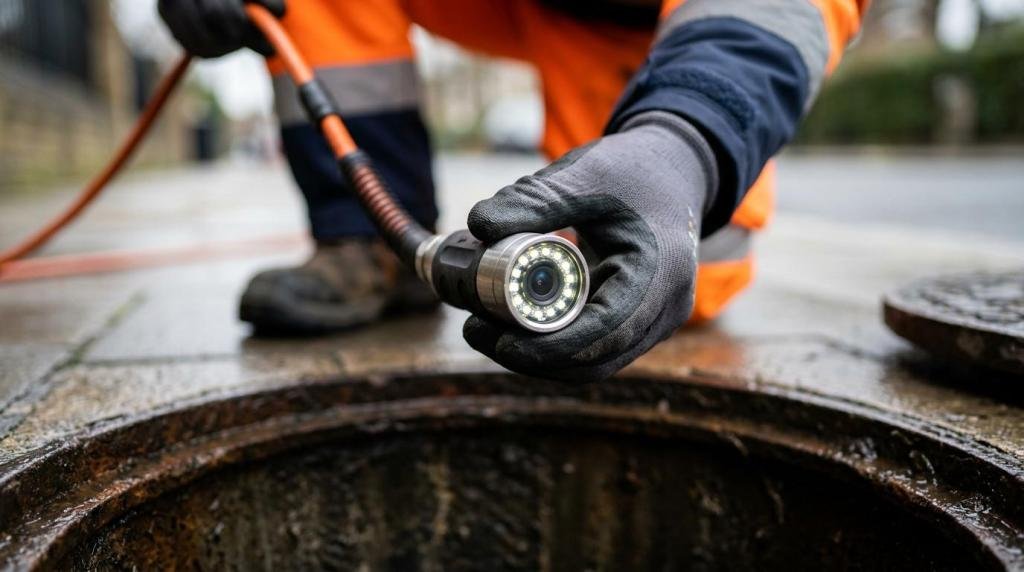
A CCTV drain survey is useful when the same blockage keeps coming back, when there are bad smells with no obvious cause, or when a property has older drainage that may be damaged. It is also a smart step before buying a home, after building work, or when you suspect roots or cracked pipes.
The big advantage is simple. Instead of guessing, the engineer can see what is going on inside the drain. That could be grease build-up, a displaced joint, scale, root intrusion, or a collapsed section.
In practical terms, a survey is often worth it if:
- You have had more than one blockage in the same area
- External drains overflow after rain
- You are dealing with a landlord or insurance issue
- The property is older and has recurring drainage faults
- You want preventative maintenance rather than emergency repairs
For homes and businesses across London and surrounding areas, this kind of inspection can prevent repeat callouts. A good local drainage company should explain the findings in plain English, show clear evidence, and offer transparent pricing before any further work is done.
Can I do drain maintenance myself?
Yes, up to a point. Basic maintenance is well within reach for most homeowners. Clearing hair from a shower trap, using a sink strainer, and keeping grease out of the kitchen drain are sensible DIY steps.
What you should not do is keep forcing the issue when signs point to a deeper blockage. Repeated plunging, random chemicals, or homemade drain mixes can turn a minor issue into a bigger one. If wastewater starts backing up, if outside drains are overflowing, or if several fittings are affected, it is time to call a professional.
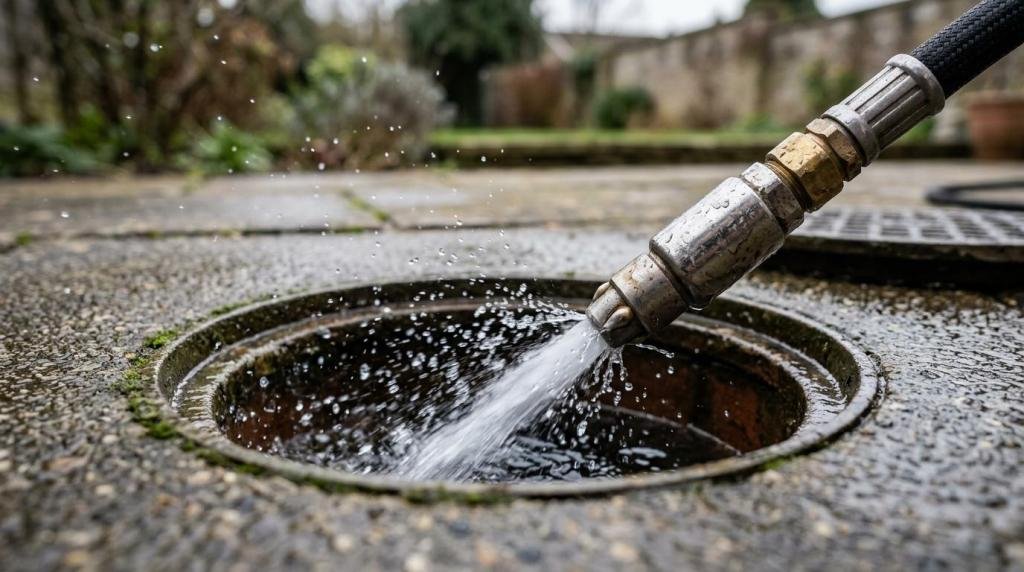
A local, experienced drainage engineer will usually have the right kit to fix the problem safely, whether that means mechanical cleaning, high-pressure water jetting, root cutting, or a CCTV inspection. Just as important, you should get honest service and transparent pricing, so you know what is needed and what is not.
A simple drain maintenance routine for busy households
Drain care does not need to become another big job on your list. A short routine every month is often enough to catch small issues early.
Try this:
- Check plugholes: Remove hair, soap residue, and visible debris from sinks, showers, and baths.
- Watch the kitchen sink: Empty strainers, wipe greasy pans before washing, and never pour oils down the drain.
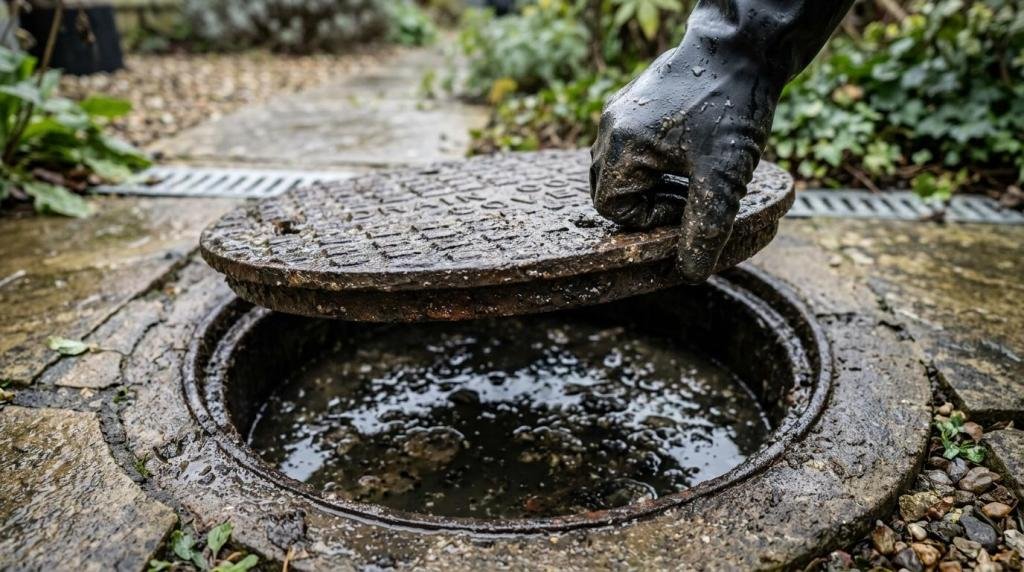
- Look outside: Check gullies and drain covers for leaves, silt, or standing water after rain.
- Act on warning signs: If smells, gurgling, or slow drainage keep returning, arrange an inspection before it turns urgent.
For landlords, adding drain checks to regular property visits is a sensible move. For commercial sites, planned maintenance can be even more important because heavier use means faster build-up.
Why local drain support matters in an emergency
When a drain blocks, speed matters. A local team can often attend faster, especially when the problem involves overflowing waste, a blocked toilet, or a drain affecting a business. That matters across London and surrounding areas, where traffic and access can quickly slow down a response.
Experience matters too. Not every blockage is just a blockage. Some are signs of cracked pipes, poor installation, root ingress, or hidden damage underground. A professional who deals with drainage issues every day is more likely to spot the real cause and fix it properly the first time.
Good service should feel straightforward. Clear advice. Honest recommendations. Transparent pricing. No confusing language, and no pressure to agree to work that does not need doing.
If your drains are slow, smelly, or blocking repeatedly, do not wait for the next callout to become a bigger bill. Contact DH Drainage Power for a free inspection or call our team today for honest advice, transparent pricing, and fast help across London and surrounding areas.