When a drain starts backing up, most people want the same thing, fast help from someone who knows exactly what they are looking at. That is where a local drainage company usually makes the biggest difference.
If you are dealing with blocked drains in Kingston, Twickenham or nearby areas, a local engineer can often get to you quicker, spot common drainage issues faster, and give advice that actually fits the type of property and pipework in your area. From older clay drains to modern plastic systems, local experience matters more than most people realise.
Here are five solid reasons why choosing a local drainage company is often the smarter move.
1. Faster response when the problem cannot wait
Drainage problems rarely happen at a convenient time. Toilets back up before work, outside drains overflow during heavy rain, and kitchen sinks seem to block just before you have guests round. When that happens, speed matters.
A local drainage company is usually in a better position to respond quickly because their engineers already work in the area. They know the roads, the traffic pinch points, and the common callout patterns. That can make a real difference when you have wastewater rising or a drain that is on the verge of overflowing.
For emergency drainage work, local response times are often one of the main reasons people choose a nearby specialist over a national chain.
2. Better knowledge of local drainage problems
Every area tends to have its own recurring drainage issues. In places like Kingston and Twickenham, some properties have ageing pipework, shared drainage runs, root intrusion from mature trees, or pipe layouts that are not obvious until they are inspected properly.
An engineer who regularly works in the local area is more likely to recognise those patterns early. That does not mean guessing. It means they can ask better questions, check the right chambers first, and narrow down the likely cause without wasting time.
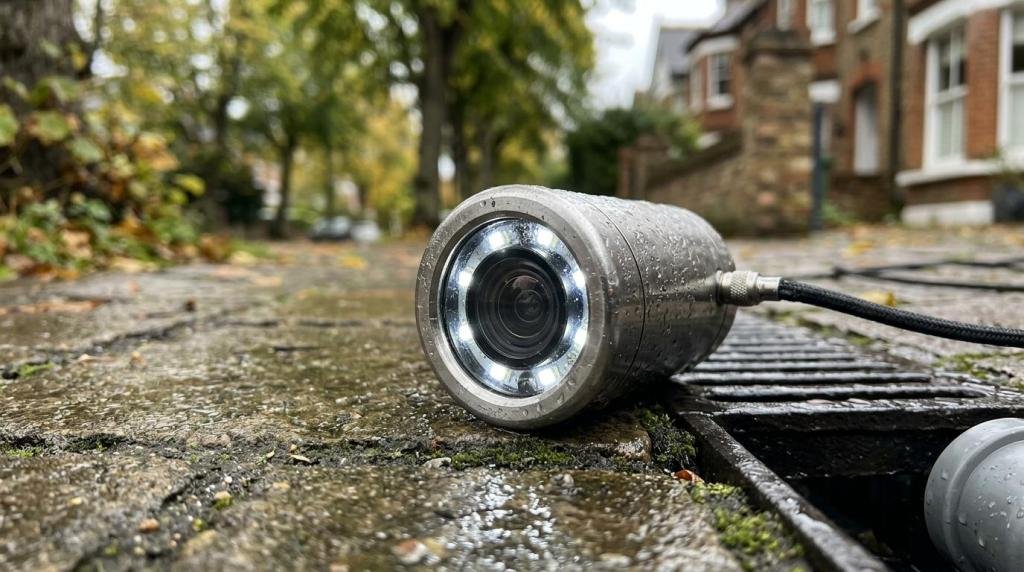
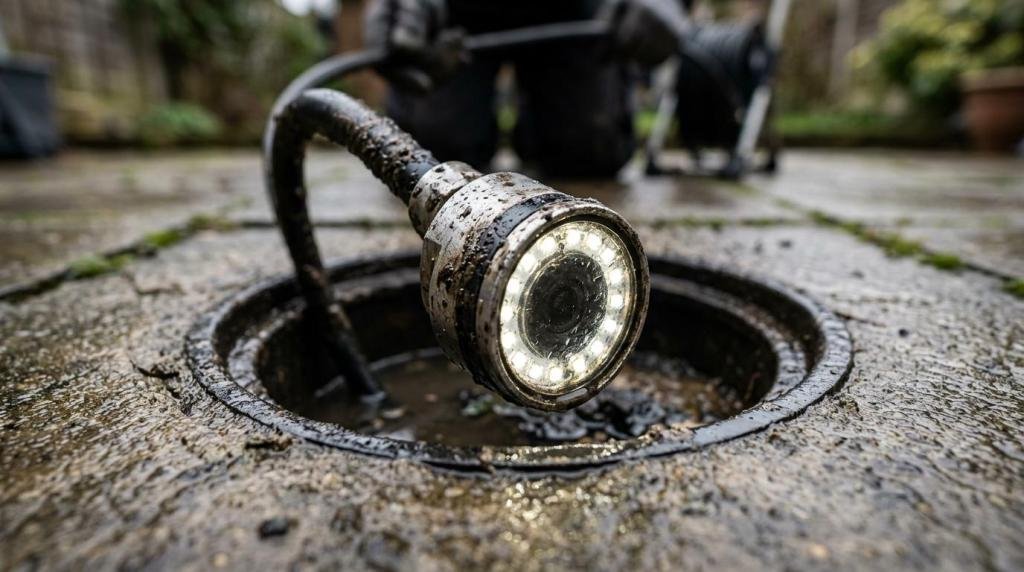
A good drain inspection should be straightforward and focused on finding the real cause of the problem. An engineer should first look at the signs you have noticed, check how the water is flowing, inspect the nearest drain chambers, and decide whether a CCTV drain survey is needed before recommending any repair.
The first step is to understand what is happening. For example, which sink, toilet, or appliance showed the problem first? Does water back up outside when the washing machine drains? Has there been heavy rain, building work, or tree activity nearby? These details help show whether the issue could be caused by grease buildup, root intrusion, limescale, or pipe damage.
The next step is a hands on inspection. The engineer should open the relevant chamber covers, test the drain run, and check whether water is flowing properly or sitting in the pipe. If drain jetting is used, it should be because it fits the problem, not just as a default first step. Jetting can clear some blockages, but it will not reveal hidden cracks, collapsed sections, or displaced joints on its own.
3. Clearer advice about whether the problem is private or shared
One of the most confusing parts of a drainage issue is working out who is responsible for fixing it. Many homeowners are not sure whether the blockage is in their private drain, a shared lateral drain, or the public sewer.
A local drainage company deals with these questions all the time. A good engineer should be able to check the likely direction of the blockage and explain, in plain English, whether the issue appears to be inside your boundary or further downstream.
For example, if your internal fixtures are slow and the first accessible chamber near the house is backing up, the problem may be further along the line. If the chamber closer to the property boundary is flowing normally, the issue may be inside your own private pipework. That kind of practical explanation helps you understand the next step without all the confusion.
4. More accountable follow up and ongoing support
Drain problems are not always solved in one visit. Some jobs need a return visit, a CCTV drain survey, patch repair work, root cutting, or a full recommendation for longer term maintenance.
When you use a local company, it is often easier to get proper follow up. The same team may already know the job, the property, and what was found during the first visit. That usually leads to a more joined up service and less repeating yourself every time you call.
This matters even more for landlords, managing agents, and businesses that need reliable records and consistent communication.
5. Advice that is practical, not generic
A good local engineer should not just clear a blockage and disappear. They should tell you why it happened, what they found, and what you can do to reduce the chances of it happening again.
That might mean explaining that wipes are catching on rough joints in an older pipe, that fat and detergent are building up in a kitchen line, or that tree roots are getting into a cracked section of drain. It may also mean recommending routine maintenance or a CCTV survey if the same issue keeps coming back.
The best advice is specific to your property and your drainage system, not a generic script.
Final thought
Choosing a local drainage company is not just about picking someone nearby. It is about getting faster help, better local knowledge, clearer answers, and a more practical service from start to finish.
If you are dealing with blocked drains, recurring backups or suspected drain damage, a local specialist is often the quickest route to a proper diagnosis and the right fix.