A blocked drain rarely starts as a major problem. More often, it begins with a slow sink, a toilet that needs a second flush, or a bad smell outside that comes and goes. Leave it too long, and that small warning can turn into backed-up wastewater, damage to flooring, or a much bigger repair bill.
If you have a blocked drain in Watford, the best move is to act early and work out where the problem sits. That tells you whether you need a private drainage engineer, Thames Water, or the council route for a public highway drain. For homes and businesses across Watford, London and surrounding areas, that first check can save time, stress, and money.
Blocked drain warning signs in Watford homes
Most drain blockages give you clues before the pipe stops working fully. The trouble is that people often put up with the signs for weeks, hoping the problem will sort itself out.
Watch for changes in how your plumbing behaves. If more than one fixture starts acting oddly at the same time, there is a fair chance the blockage is deeper in the system rather than just sitting in one plughole.
Common warning signs include:
- Slow-draining sinks
- Water sitting in the bath
- Bad smells from drains
- Gurgling plugholes
- A hard-to-flush toilet
- Water rising higher than normal before it clears
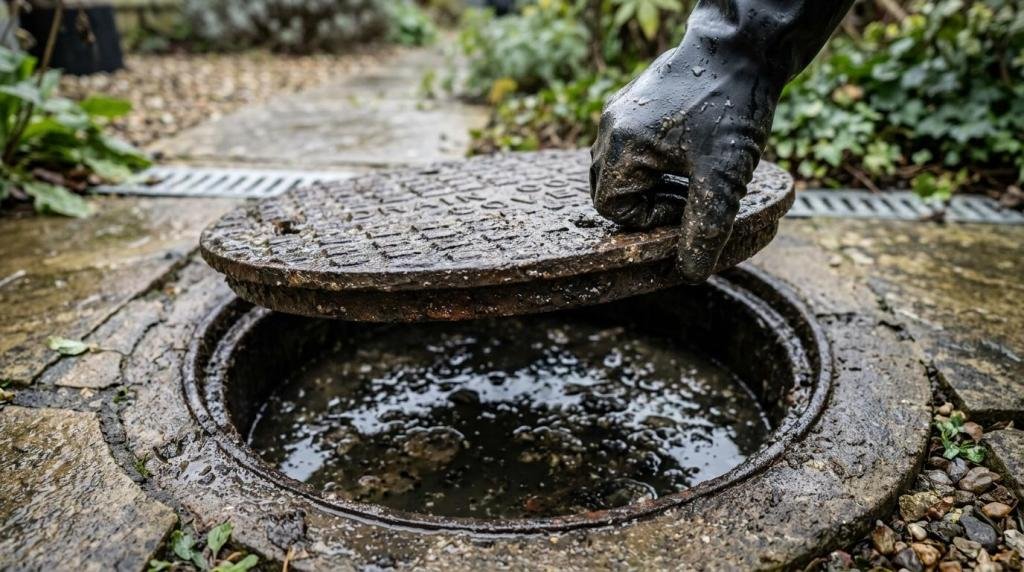
Outdoor signs matter too. A blocked inspection chamber, standing water near a gully, or a foul smell by an outside drain can all point to a blockage that is getting worse.
Private drain or public sewer in Watford: who is responsible?
This is the first practical question to answer.
In simple terms, drains within your property boundary are usually the responsibility of the homeowner or landlord. Public sewers are usually the water company’s responsibility. That means many blockages inside a home, garden, driveway, or private drain run need a private contractor. If the issue is on the public sewer, Thames Water is usually the right contact in Watford.
Shared pipes and a lateral drain can make things less clear, so if you are unsure, it helps to get the line checked properly before you report it to the wrong place.
| Where the problem appears | Likely responsibility | Usual next step |
|---|---|---|
| Sink, bath, toilet, kitchen waste pipe inside the property | Homeowner or landlord | Try safe checks, then call a private drainage engineer |
| Private drain within the property boundary | Homeowner or landlord | Arrange drain clearance or inspection |
| Overflowing public sewer | Thames Water | Report it to Thames Water |
| Blocked road gullies or highway drains | Hertfordshire County Council | Use the council reporting route |
| Drainage issue affecting the public road area | Highway authority route via local council pages | Report through the Watford or Hertfordshire route |
A useful clue comes from the access point outside. If the drain or sewer access point appears clear, but water is still backing up inside, the blockage is often within the home drainage system. That usually means it is a private issue rather than a public sewer fault.
Safe steps to take before a drain blockage gets worse
There are a few things you can do straight away, as long as the problem is minor and there is no sewage backing up into the property.
Start by reducing water use. Do not keep flushing a slow toilet or running taps to “see if it clears”. That often makes the overflow worse. Then check whether the problem affects one fixture or several. A single blocked sink is one thing. A toilet, shower, and basin all draining badly points to a larger blockage.
Before you call for help, these steps are usually safe:
- Stop using water heavily: keep showers, washing machines, and repeated flushing to a minimum
- Try a plunger: use steady pressure rather than aggressive pumping
- Check the outside drain if safe: standing water in an inspection chamber can point to a deeper blockage
- Clean the trap: a sink U-bend may hold grease, soap, or food waste
- Avoid chemical cleaners: they often do little for a solid blockage and can damage pipework or splash back
If you have lifted a sink trap and the blockage is clearly not there, do not keep taking the system apart. That is the point where proper drain equipment saves time.
Common causes of blocked drains in Watford kitchens and bathrooms
Most household drain blockages come down to a handful of repeat causes. They build slowly, which is why people often do not notice them until the pipe is almost shut.
In kitchens, fat, oil and grease are a leading cause. Warm grease goes down as a liquid, then cools and sticks to the pipe wall. Over time it traps food scraps and detergent residue, creating a thick blockage. In bathrooms, wet wipes, sanitary items, hair, and soap build-up are common problems.
Typical causes of a blocked drain include:
- Fat, oil and grease
- Food scraps and coffee grounds
- Wet wipes, even ones labelled flushable
- Sanitary towels and tampons
- Hair and soap scum
- Tree root intrusion in older or damaged pipes
Outside drains can also block because of leaves, silt, broken pipe joints, or roots pushing into the line. In some parts of Watford and nearby areas, older drainage runs are more likely to suffer from cracks or displaced joints, which catch debris and cause repeat blockages.
When a blocked drain in Watford needs urgent help
Some drain problems can wait a few hours. Others should not.
If sewage is coming back into your shower, toilet, sink, or outside drain, stop using the system and get help now.
A blocked drain is more urgent when wastewater is close to entering the living space, when the smell is strong, or when several fixtures are backing up together. Businesses should act even faster, especially if toilets or kitchen waste lines are affected.
Call for urgent drainage help if you notice any of the following:
- Sewage backing up indoors: this can quickly damage floors and create a hygiene risk
- Multiple fixtures blocked at once: often a sign of a main drain blockage
- Overflow from an inspection chamber: the line may be blocked downstream
- Bad smells getting stronger: foul odours often mean trapped waste is building up
- Water near doorways or walls: drainage overflow can affect the building fabric
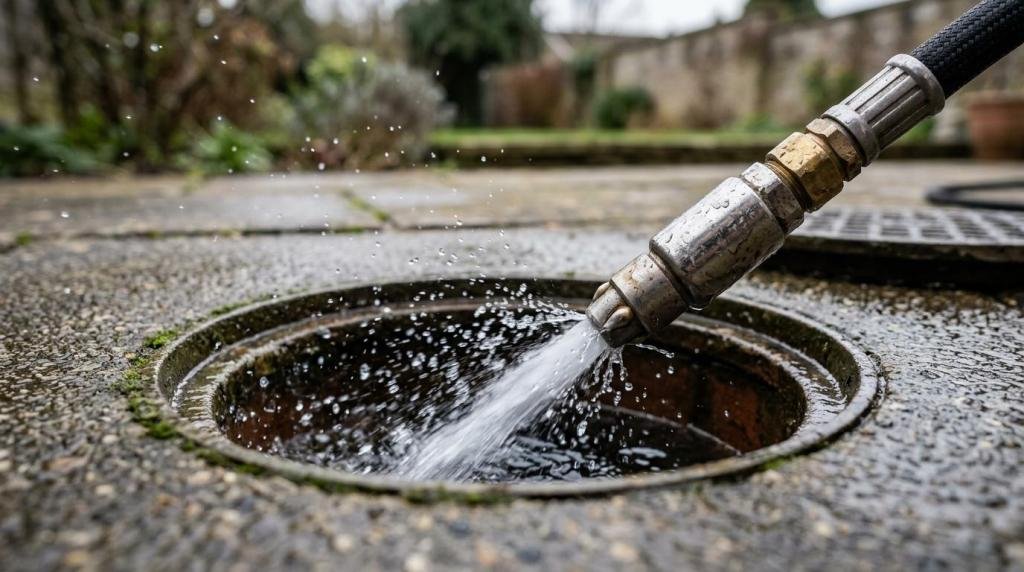
A local, experienced professional can clear the blockage safely, check whether there is a deeper fault, and explain the cost upfront with transparent pricing and honest service.
Who to contact for road gullies, public sewers, and property drains in Watford
Not every drainage problem needs a private contractor. In Watford, the right reporting route depends on where the blockage is.
If the issue is a blocked gully or drain on a public road, Hertfordshire County Council is the usual route. The county council handles road drains and gullies. Their own guidance shows that some reported drains are scheduled for follow-on work, which means repairs are not always immediate. If the problem is clearly on your own property, waiting for the council is unlikely to help.
If a public sewer is overflowing, Watford Borough Council directs residents to Thames Water. That is different from a blocked private drain in a garden, driveway, or inside the house, which usually needs a private drainage company.
A simple rule helps here:
- Inside your boundary: usually your responsibility
- Public road gully: report to Hertfordshire County Council
- Overflowing public sewer: report to Thames Water
- Not sure where the blockage sits: ask for a professional inspection first
Getting this part right early stops you losing time between different reporting teams.
CCTV drain surveys for recurring blocked drains in Watford
If the same drain keeps blocking, clearing it is only half the job. The next question is why it keeps coming back.
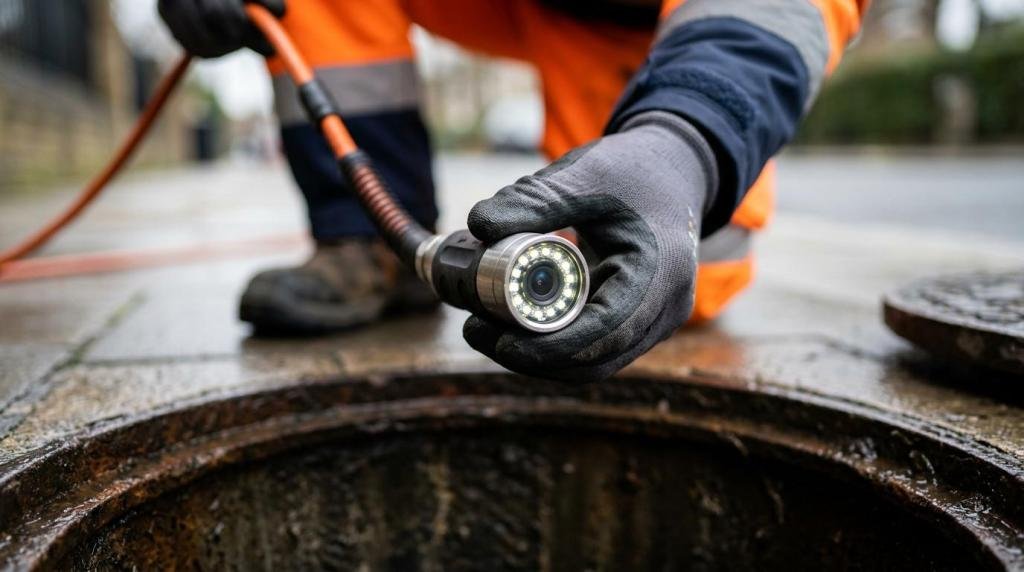
That is where a CCTV drain survey helps. A camera inspection shows what is happening inside the pipe rather than relying on guesswork. It can reveal grease build-up, scale, root intrusion, cracks, displaced joints, or a collapsed section of pipe.
This is often the best option when:
- the blockage returns every few months
- you have repeated bad smells
- water drains slowly even after a clear-out
- an outside chamber keeps filling
- you suspect damage rather than a simple blockage
For landlords and property managers in Watford, a survey can also help with maintenance planning. For homeowners, it gives a clear answer instead of repeated call-outs for the same issue.
How to prevent another blocked drain at your Watford property
Good drain habits make a real difference. Most household blockages are preventable, and small changes are easier than emergency repairs.
Do not pour cooking fat into the sink. Let it cool, then bin it. Keep wipes, cotton pads, and sanitary products out of the toilet, even if the packaging says flushable. In showers and baths, fit a simple hair catcher and clean it regularly.
A few practical habits go a long way:
- Kitchen sinks: wipe greasy pans with paper before washing
- Toilets: flush only toilet paper and human waste
- Bathroom drains: remove hair before it builds up
- Outside drains: keep leaves and debris away from covers
- Recurring issues: book an inspection before the line blocks fully
If your property has older pipework, trees near the drain run, or a history of repeat blockages, planned maintenance can be the cheaper option. A local team with the right equipment can spot trouble early, clear the line properly, and give honest advice on whether a repair is needed or not.
For blocked drains in Watford, quick action matters. If you need a local, experienced drainage specialist with transparent pricing and honest service across London and surrounding areas, contact us for a free inspection or call our team today for a quote.