A blocked drain rarely picks a convenient time. It turns up before work, during a family meal, or late at night when water starts rising instead of draining away. When that happens, the main question is simple: is this something that can wait, or do you need emergency drain unblocking right now?
In many cases, the warning signs are clear. Councils, water companies, and official UK guidance all treat bad smells, overflowing fixtures, standing water, and wastewater backing up as signs that a blockage may need urgent attention. If you live or manage property in London and surrounding areas, acting quickly can prevent water damage, hygiene problems, and a much bigger repair bill.
What counts as an emergency drain blockage?
Not every slow sink is a full-scale emergency. A bathroom basin that drains a little slower than usual may be annoying, but it is not always urgent. A blocked toilet that will not flush, sewage smells indoors, or dirty water coming back up into a shower tray is very different.
A drain problem becomes an emergency when it affects health, safety, or the normal use of the property. That includes toilets you cannot use, wastewater backing up into the home, outdoor drains overflowing, and any sign that foul water is escaping onto paths, patios, or near entrances.
If the issue is getting worse by the hour, do not wait and hope it clears itself.
Seven signs you need emergency drain unblocking fast
The signs below are some of the most common reasons people call for same-day help. They match the kind of warning signs often flagged by councils and water companies across the UK.
| Sign | What it often means | How urgent is it? |
|---|---|---|
| Water backing up into sinks, baths, or showers | A blockage deeper in the waste pipe or main drain | High |
| Toilet water rising or failing to flush properly | A toilet blockage or a problem in the foul drain | High |
| Bad smells from plugholes, drain grids, or the inspection chamber | Waste trapped in the system or poor flow caused by blockage | Medium to high |
| Overflowing drains | Rainwater or foul drainage cannot move through the pipe | High |
| Standing water around a drainage point | Water is not clearing below ground as it should | High |
| Several fixtures blocking at once | The problem may be in the main line, not a single fitting | High |
| Gurgling noises after flushing or draining water | Air is trapped because water flow is restricted | Medium, but can quickly become high |
One blocked sink on its own may be manageable for a short time. Multiple fixtures acting up together is a stronger sign that the blockage is further down the system. That usually means home remedies will not reach it.
Bad smells matter too. Hart District Council notes that blocked drains often smell, while Thames Water also lists a bad drain odour as a warning sign. If that smell is getting stronger indoors, it is sensible to get it checked quickly.
Why overflowing drains and backing-up wastewater should never be ignored
Overflowing drains are not just unpleasant. They can damage flooring, walls, cupboards, and outside surfaces. If foul water is involved, there is also a hygiene risk.
A slow drain can become a full blockage with very little notice. Grease, wipes, silt, roots, or scale build-up may already be sitting in the pipe. Once one more bit of debris catches, the water has nowhere to go.
Official UK guidance also flags wastewater not draining properly and pools of water around the drainage point as warning signs. That matters because many people assume the problem is only serious once the toilet overflows. In reality, the earlier signs often appear hours or days before that point.
How do I know if the blockage is inside or outside the property?
This is one of the most common questions from homeowners and landlords. A simple check can give you a clue, though it will not replace a proper inspection.
If only one sink, one bath, or one toilet is affected, the blockage may be local to that fixture. If the kitchen sink, downstairs toilet, and shower all start draining badly together, the issue is more likely to be outside or further along the pipework.
After checking indoors, look outside if it is safe to do so. See whether there is water sitting around a gully, drain grid, or inspection chamber. If an outside chamber is full, or nearly full, that points to a downstream blockage.
A few quick checks can help:
- One fixture affected
- Several fixtures affected
- Smell indoors
- Overflow outside
- Gurgling after flushing
If neighbours have the same issue, the problem may be shared or further down the sewer line. Southampton City Council advises checking nearby properties when a drainage issue appears. If it is only your property, a private drain could be the cause and you may need a specialist contractor.
Can I fix an emergency blocked drain myself?
Sometimes, yes. Often, only in a limited way.
A plunger can work on a minor blockage close to the plughole or toilet pan. A basic drain snake may clear hair or soap build-up from a short section of waste pipe. Hot water and washing-up liquid can sometimes loosen grease near the kitchen sink trap.
Still, there is a point where DIY stops being practical. If wastewater is backing up, if the toilet is unusable, or if an outdoor drain is overflowing, home methods are unlikely to solve the real problem. Pushing harder can also compact the blockage, damage older pipework, or force dirty water into the property.
Before trying anything, avoid making the situation worse:
- Do not use: multiple harsh chemical drain cleaners one after another
- Do not keep flushing: a toilet where the water level is already rising
- Do not remove: inspection covers if water is under pressure and likely to spill
- Do not assume: the smell will pass on its own if water is already draining slowly
If you are dealing with dirty water, wear gloves and keep children and pets away from the area.
What happens during an emergency drain unblocking call-out?
Most people just want the blockage gone quickly, but it helps to know what a proper visit should involve. A good drainage engineer should not simply poke at the problem and leave. The aim is to find the cause, clear it safely, and check that the line is flowing as it should.
At DH Drainage Power, emergency drain unblocking is available 24/7 across London and surrounding areas. For urgent cases, the aim is to attend most blockages the same day. Clear communication matters just as much as speed, especially when water is backing up and you need to know what comes next.
A typical emergency visit may include:
- Initial assessment of the affected fixtures and outside drainage points
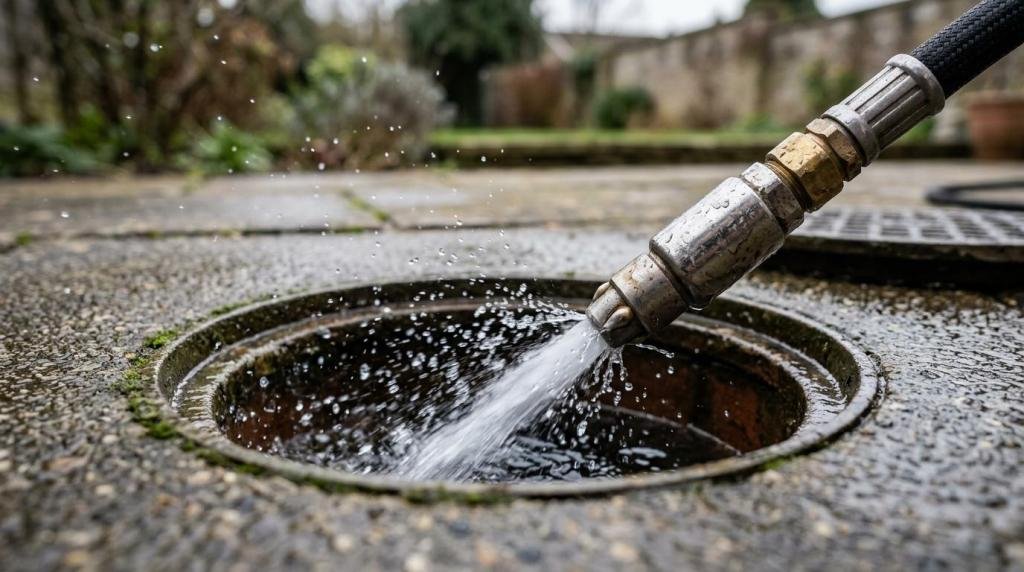
- Mechanical unblocking or high-pressure water jetting
- Checking the inspection chamber and pipe flow
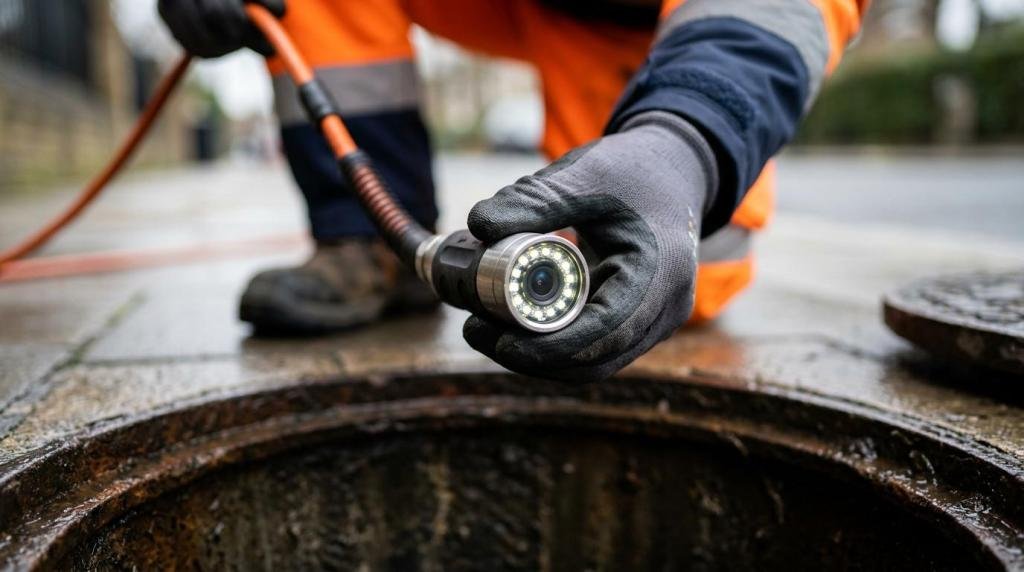
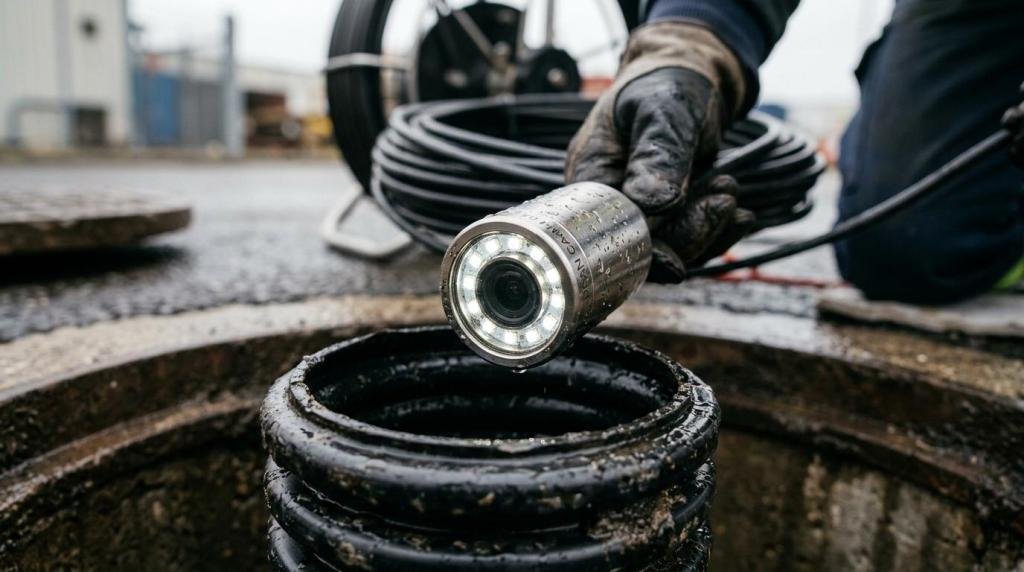
- CCTV drain inspection if the blockage is recurring or the cause is unclear
- Honest advice on repairs if the pipe is damaged, collapsed, or root-filled
Transparent pricing matters here. No one wants surprises during an emergency. A local, experienced professional should explain the likely work, the expected cost, and whether further repair is actually needed.
Why CCTV drain inspections are useful after repeated blockages
If the same toilet, sink, or outside drain keeps blocking, the issue may be more than grease or wipes. Cracked pipes, offsets, root ingress, and heavy scale build-up can all cause repeat call-outs.
That is where CCTV comes in. A camera inspection shows what is happening inside the pipe without digging up the garden or driveway just to guess. It can confirm whether the blockage has fully cleared and whether a repair is needed.
This is especially useful for landlords, commercial sites, and older properties in London and surrounding areas, where the drainage layout may have changed over time or where pipework has seen years of wear.
What should you do while waiting for emergency drain unblocking?
If you have already called for help, a few simple steps can limit damage before the engineer arrives.
Keep water use to an absolute minimum. Do not run the washing machine or dishwasher. Avoid showers and baths if water is already backing up elsewhere. If one toilet is blocked and you have another working toilet, use the unaffected one only if you are sure it is draining normally.
Practical steps to take straight away:
- Turn off appliances: dishwashers or washing machines that discharge into the blocked line
- Protect the area: use old towels or a shallow tray near minor overflows
- Open windows: if drain smells are strong indoors
- Move items: cleaning products, rugs, or storage boxes away from affected areas
- Take photos: useful if damage worsens or if a landlord or insurer needs records
If sewage is leaking outside and there is a risk to the environment, the relevant water company may also need to be informed. Thames Water advises reporting sewage leaks that endanger wildlife or the environment.
What usually causes an urgent drain blockage?
Most emergency blockages build up over time, even when the final failure feels sudden. Kitchen lines often clog because of fat, grease, food scraps, and detergent residue. Bathroom drains usually suffer from hair, soap, and wipes. Outside drains may collect leaves, silt, roots, and broken pipe fragments.
Commercial properties can face a slightly different pattern. Restaurants, cafés, offices, and rental buildings often deal with heavier use, more grease, and a greater chance of misuse. One blocked line can affect staff, customers, or tenants very quickly.
The most common causes include:
- Fat and grease
- Wet wipes
- Sanitary products
- Tree roots
- Collapsed or cracked pipes
Knowing the cause helps prevent the next blockage, not just the current one.
When should landlords and businesses call straight away?
Immediately, if the blockage affects toilets, shared facilities, food areas, or customer-facing space.
For landlords, drainage problems can quickly become a tenant welfare issue. For businesses, a blocked drain can mean lost trading time, complaints, hygiene concerns, and damage to floors or stock. Waiting until the next day often costs more than calling as soon as the warning signs appear.
Experienced drainage engineers can also advise whether the issue looks like a one-off blockage or a wider repair problem. That matters if you manage multiple units or a busy site.
Why local emergency drain help matters in London and surrounding areas
Drainage problems do not improve with distance. You need someone who can get to you quickly, knows the kinds of drainage layouts found across London and surrounding areas, and can explain the job in plain language.
That local knowledge matters in older terraces, flats, commercial units, and properties with shared access points. A fast response is useful, but so is accurate fault finding. There is no benefit in clearing one section if the real problem is further down the sewer line.
DH Drainage Power provides 24/7 emergency drain unblocking, repairs, and CCTV inspections across London and surrounding areas, with honest service and transparent pricing. If your drain is overflowing, smells bad, or water is backing up, contact us for a free inspection or call our team today for a quote.