Blog

Our blog helps homeowners and businesses understand common drainage problems, spot early warning signs, and make informed decisions when issues arise. From emergency drain clearance advice to preventative maintenance tips, our articles are written by experienced drainage professionals who deal with these problems every day.

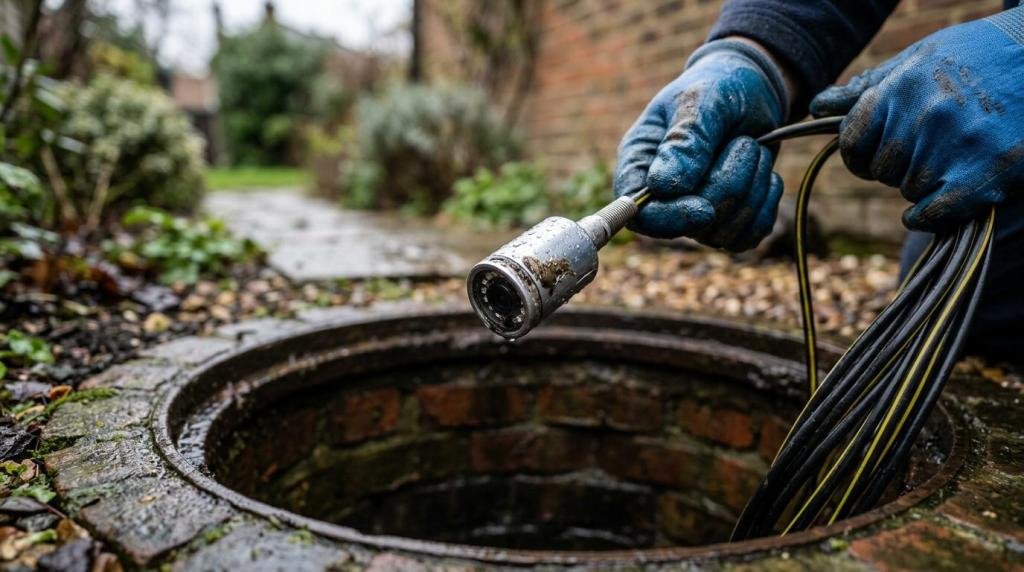
A drainage engineer wearing blue safety gloves holding a high-pressure jetting nozzle above a brick-lined inspection shaft to clear a sewer blockage.

Many people use “blocked drain” and “sewer blockage” as if they mean the same thing, but they do not. The

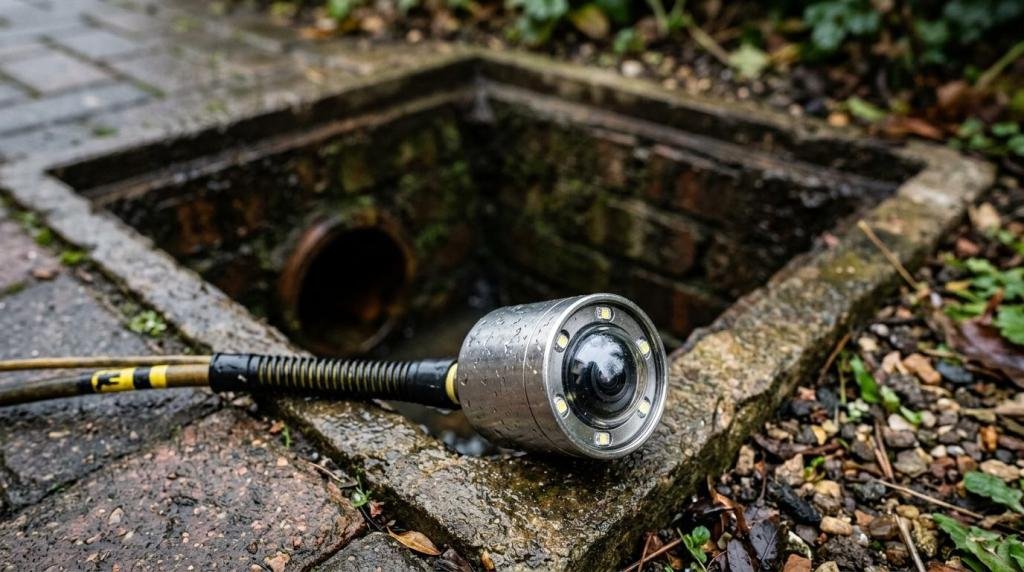
A metal CCTV inspection probe resting on the concrete border of an open brick-lined access chamber prior to no-dig drain lining.

No-dig drain repair is usually the right first option when a drain or sewer is structurally defective but still suitable

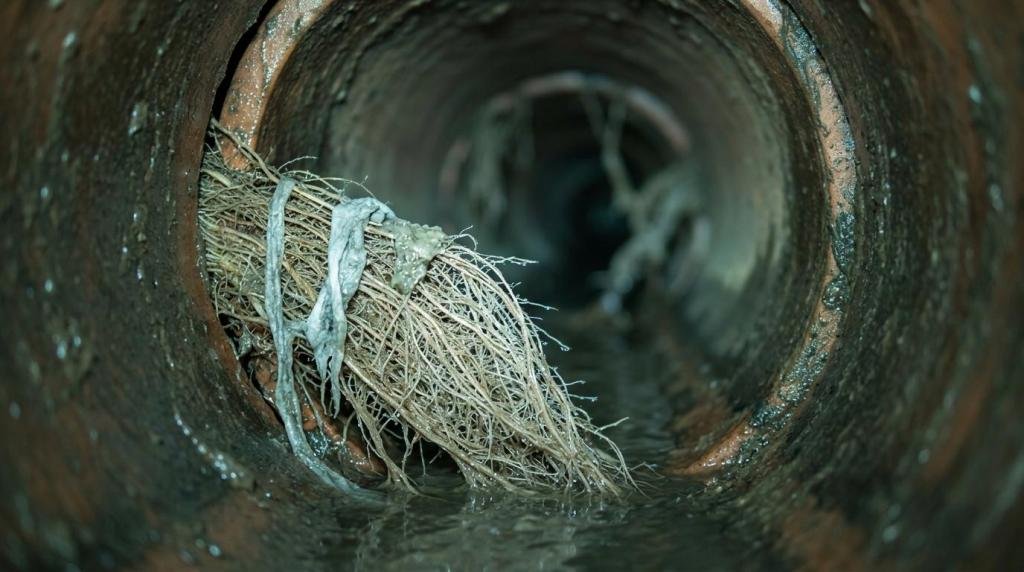
Close-up view inside a underground clay sewer pipe showing dense tree root intrusion and trapped debris obstructing water flow.

If a drain starts running slowly and keeps doing it no matter how many bottles of cleaner go down the

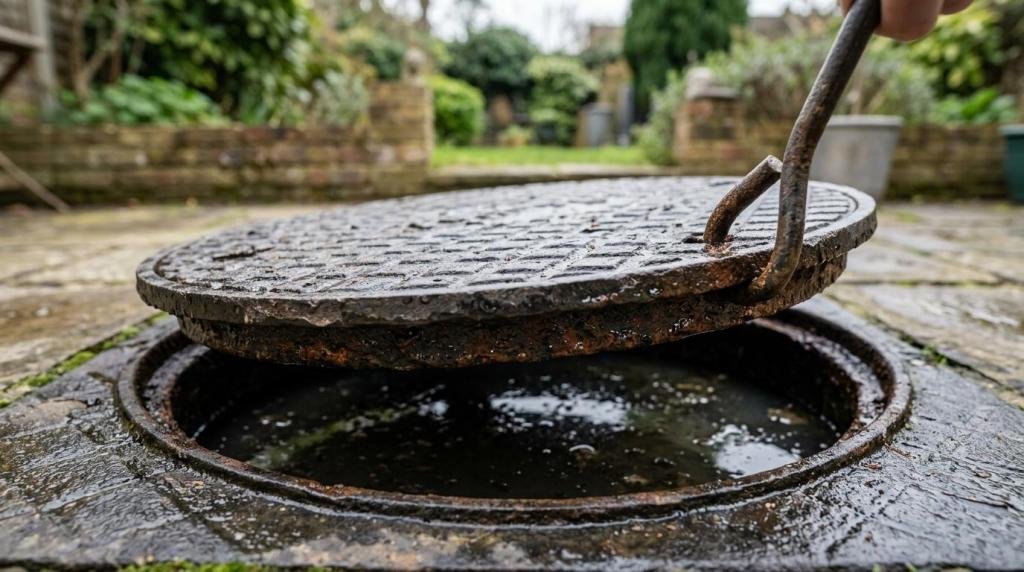
A metal manhole key lifting a heavy cast iron drain cover on a residential stone patio to expose an outdoor drain inspection chamber.

When a drain starts backing up, most people want the same thing, fast help from someone who knows exactly

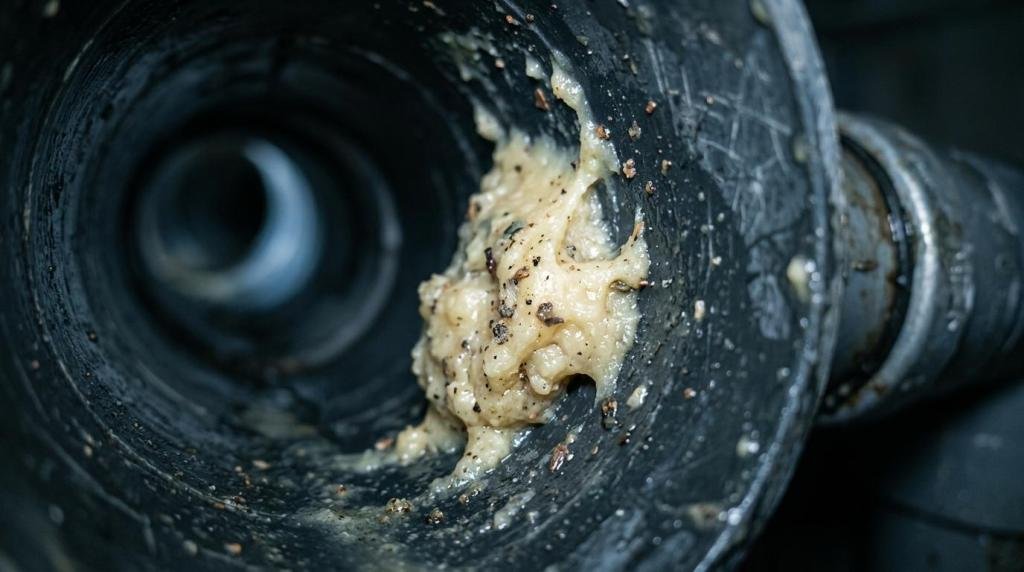
Close-up interior view of a black drainage pipe coated with thick solidified grease and fat residue restricting internal wastewater flow.

Fat, oil and grease build up in drains is usually caused by everyday kitchen habits, not a single mistake. Small

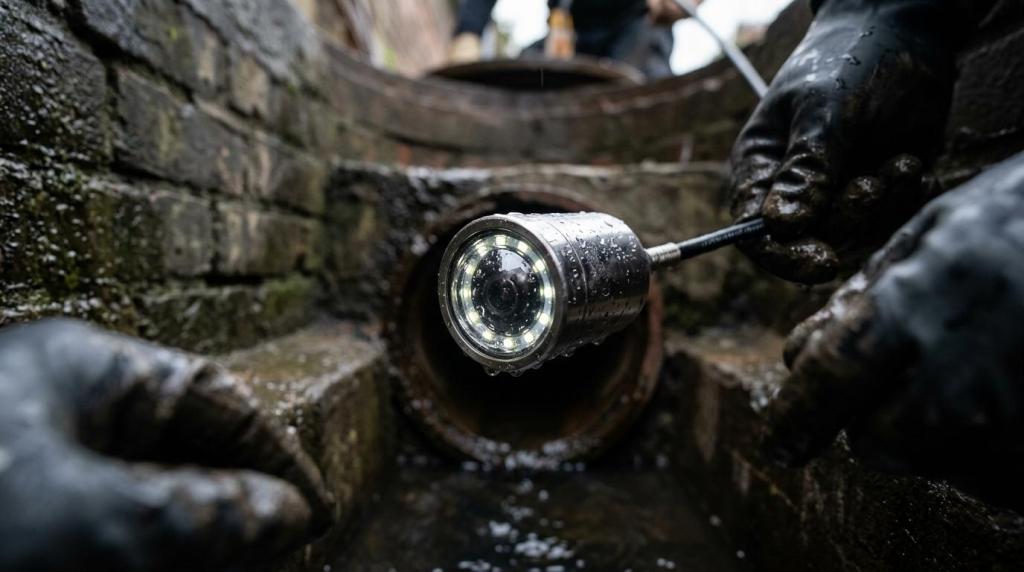
Gloved hands inserting an illuminated waterproof CCTV drain camera head into a brick-lined sewer pipe for underground fault diagnosis.

Drain fault finding begins with a straightforward principle: establish whether the problem is caused by restricted flow, a local blockage,