A blocked drain can look like one simple problem, but the right fix depends on what is causing it, where it sits in the pipework, and how serious it has become.
A slow kitchen sink needs a different approach from a toilet that will not clear, and both are very different from an outside drain packed with roots or heavy grease. That is why good drainage work starts with the problem itself, not with a one-size-fits-all method.
If you are trying to work out which drain cleaning method makes sense for your home or business, the main options usually include manual clearing, drain rodding, mechanical machines, high-pressure water jetting, and CCTV inspection. Each has a place. Each also has limits.
How to choose the right drain cleaning method
The first question is simple: what is the drain doing? Slow draining water, bad smells, gurgling noises, repeated backups, and overflowing external gullies all point to different levels of trouble. A minor blockage close to a plughole may clear with a basic clean. A deeper blockage further down the line often needs specialist equipment.
The second question is where the blockage is likely to be. If one sink is slow, the issue may be local to that waste pipe. If several fixtures are backing up together, the problem is more likely in the main drain. That is usually when stronger methods or a CCTV survey start to make more sense.
The third question is what is actually in the pipe. Hair, soap, food waste, wet wipes, scale, fat, tree roots, and damaged pipework all behave differently. The cleaning method should match the cause, not just the symptom.
A few signs can help point you in the right direction:
- One basin or bath draining slowly
- Toilet water rising before it clears
- Bad smells from an outside drain
- Repeated blockages in the same place
- Water backing up in more than one room
- Overflowing manhole or gully
Common drain cleaning methods and when they are used
Most drain problems are dealt with by starting at the least aggressive option that is likely to work. That matters for both safety and the condition of the pipework. UK health and safety guidance is clear that high-pressure equipment should not be used when a lower-pressure method will do the job.
That does not mean powerful methods are a bad choice. It means the method should be appropriate.
| Drain cleaning method | Best used for | Main limits |
|---|---|---|
| Manual trap cleaning | Hair, soap, food debris near sinks and basins | Only helps with very local blockages |
| Plunger | Simple short blockages in toilets, sinks, baths | Often fails on deeper or compacted blockages |
| Drain rods | Outside drains and some straightforward obstructions | Can struggle with grease, heavy scale, or roots |
| Mechanical auger or machine | Tougher local blockages, pipe runs with compacted debris | Needs skill to avoid damaging fittings or pushing debris further |
| High-pressure water jetting | Grease, sludge, scale, roots, deep cleaning of drains and sewers | Requires trained use, suitable pipe condition, and safety controls |
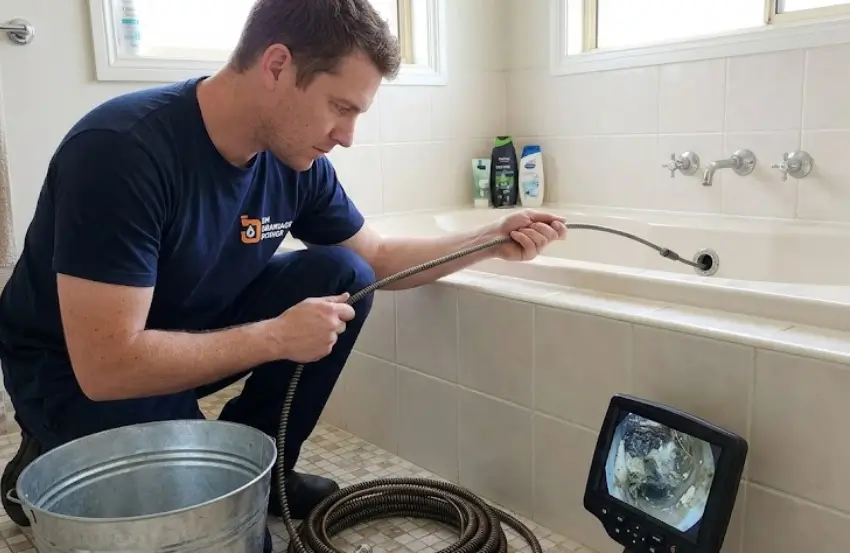
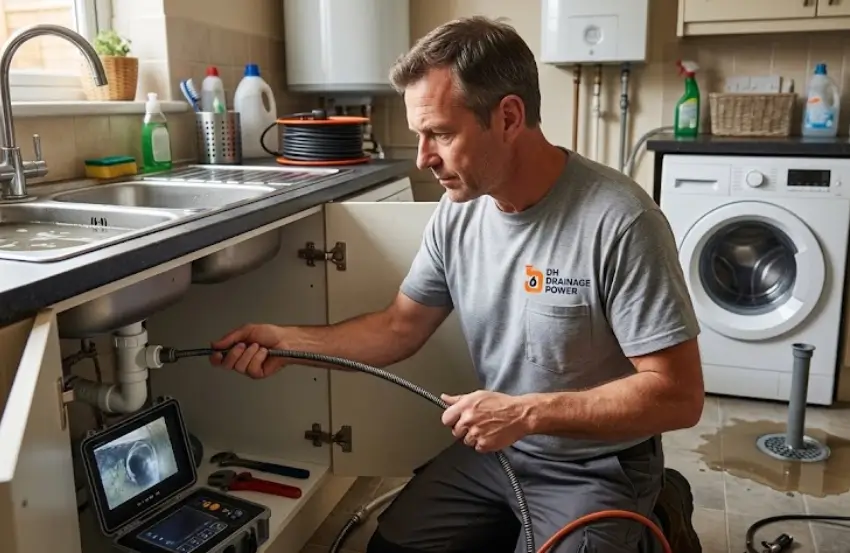
| CCTV drain inspection | Diagnosing unknown, repeated, or structural issues | It identifies the cause but does not clear the blockage on its own |
In many cases, a professional will combine methods. A drain might be inspected first, then cleared mechanically, then finished with jetting to wash away remaining build-up. That gives a better result than just forcing a gap through the middle of the blockage and hoping it stays open.
When high-pressure water jetting is the right drain cleaning method
High-pressure water jetting is often the best option when the aim is not just to punch a hole through the blockage but to clean the pipe walls properly. It is especially useful for grease-lined kitchen drains, scale build-up, silted external drains, and pipework affected by tree roots.
It can also be a smart choice when blockages keep coming back. A rod may reopen the drain, but if a thick layer of fat or sludge is still stuck to the pipe, the same problem can return very quickly. Jetting strips that residue away far more effectively.
Still, jetting is not automatically the first answer. HSE guidance says lower-pressure methods should be considered first. Water jetting can also create fine droplets or mist, so if it is necessary, the work needs proper risk controls. Good equipment, correct maintenance, and trained operators matter.
That is one reason DIY jetting kits and guesswork can be risky.
When jetting is used properly, it suits jobs like these:
- Grease build-up: common in kitchen waste lines and food premises
- Silt and sludge: often found in outside drains after long periods without cleaning
- Scale deposits: mineral build-up that narrows the pipe over time
- Tree root intrusion: where roots have entered joints and trapped debris
- Recurring blockages: when basic clearing has only given a short-term fix
Do you need a CCTV drain inspection before cleaning?
Not always, but very often it is the most sensible first step.
If the blockage is obvious and close to the fixture, a survey may not be necessary. A simple trap clean or local clearance can be enough. If the same drain keeps blocking, though, or if more than one outlet is affected, CCTV can save time and money by showing the exact cause before any major work starts.
A camera inspection is especially useful when there may be cracked pipework, a displaced joint, root ingress, or a collapsed section. In those cases, cleaning alone will not solve the issue for long. The camera helps decide whether the drain needs jetting, mechanical clearance, repair, or all three.
For homeowners and landlords in London and surrounding areas, CCTV surveys are also helpful before buying a property, after repeated call-outs, or when there is concern about shared drainage runs.
Which drain cleaning method is safest for DIY work?
Homeowners can deal with some minor drainage issues safely, but only up to a point. A blocked sink trap, a simple toilet blockage may respond to basic tools and a bit of patience.
Start with the safest and simplest options first. Take apart an accessible trap if you can do it cleanly. Use a plunger correctly. Clear visible debris from plugholes and gullies. Those are reasonable first steps.
Be careful with drain rods. Used the wrong way, they can unscrew in the pipe or damage fittings. Mechanical machines and high-pressure water jetting are best left to trained professionals.
Chemical drain cleaners are rarely the best answer. They may not shift a solid blockage, they can damage some pipe materials, and they create extra risk if a professional later needs to work on the drain by hand or with machinery.
If you are trying a basic fix, keep it simple:
- Wear gloves
- Protect the floor
- Stop if water levels rise
- Do not mix chemicals
- Call for help if the blockage returns
When should you call a drainage professional?
If the drain is overflowing, backing up into the property, affecting more than one fixture, or blocking again after a short time, it is time to get help.
That is also true if you suspect roots, collapsed pipework, or a problem in the outside drain. These jobs need proper diagnosis and the right kit.
A local, experienced drainage professional will usually look at three things before choosing a method: the symptom, the likely location, and the safest way to clear it. That is much better than jumping straight to the harshest option.
For homes and businesses across London and surrounding areas, honest service matters just as much as technical skill. Clear explanations, transparent pricing, and no hidden costs make it easier to decide what work is actually needed.
Who is responsible for the drain cleaning bill in England and Wales?
This catches a lot of people out. The cleaning method may be clear, but the question of who pays is not always as obvious.
Ofwat says drains and private sewers carrying household waste are normally the responsibility of the householder or landlord up to the point where they connect with the public sewer. This is usually at the boundary of the property. Public sewers are normally the sewerage company’s responsibility.
That means if the blockage is in your private drain, you will usually need to arrange and pay for the clearance. If the issue sits in the public sewer, the water company may be responsible. Shared pipework can sometimes be less clear, which is another reason a proper inspection helps.
It is often worth checking these points before booking major work:
- Single property drain: usually the owner or landlord is responsible
- Boundary connection: responsibility often changes at the property boundary
- Public sewer: usually the sewerage company deals with it
- Unclear layout: a CCTV survey can help show where the problem sits
What happens when a drainage engineer attends?
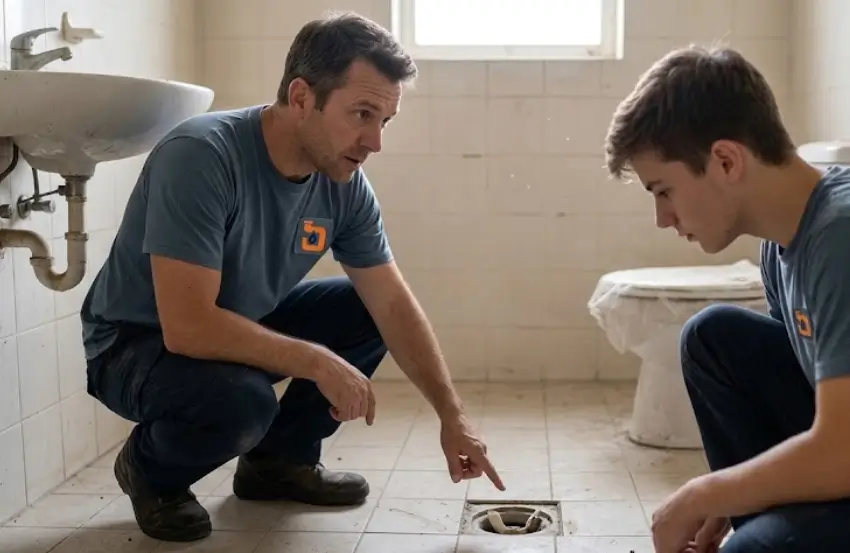
A good visit should start with questions, not just equipment. Which fixture is affected? Has it happened before? Are there smells outside? Is the problem inside, outside, or both? Those details help narrow down the likely cause.
After that, the engineer may carry out a visual check, test flow, inspect chambers, and decide whether a manual method, mechanical clearance, jetting, or CCTV survey is the right next move. On many jobs, the answer becomes clear quickly once access points are opened and the drain line is checked.
This is where experience matters. Choosing the mildest effective method can protect the drain and control costs. If stronger action is needed, it should be explained clearly, with transparent pricing before work goes ahead.
For property owners in London and surrounding areas, that practical approach is often the difference between a quick fix and a proper repair.
If your drain is blocked, slow, smelling, or keeps backing up, contact DH Drainage Power for a free inspection. Call our local, experienced team today for honest advice, transparent pricing, and fast drain cleaning across London and surrounding areas.